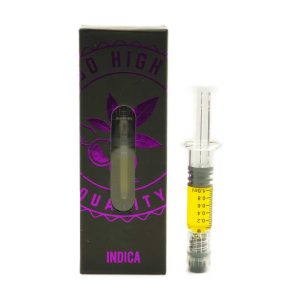
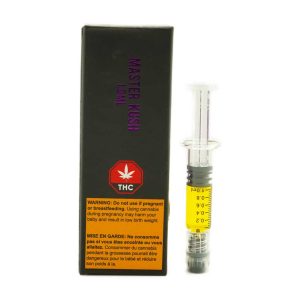
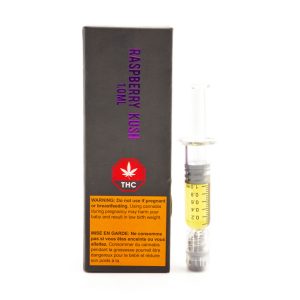
Effects of Marijuana Oils
THC oils are infused with the effects of marijuana, meaning they can induce happiness, euphoria, deep physical relaxation, profound mental stimulation, and a range of other enjoyable psychoactive effects. CBD oils are non-psychoactive and the effects are much more subtle, although many users report feeling a sense of calming relaxation from using CBD.
Medical Benefits of Cannabis Tinctures
Medical marijuana users often use cannabis oils as they provide a convenient way to get a dose of cannabinoids. Both THC and CBD oils are said to help with a range of symptoms, including pain, inflammation, headaches, migraines, nausea, seizures, insomnia, depression, and chronic stress. You can get a dose of THC or CBD within minutes by using cannabis oils and they’re also excellent for getting a daily dose of cannabinoids.
THC Oils vs. CBD Oils
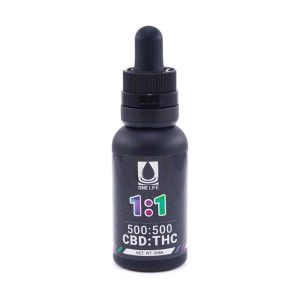
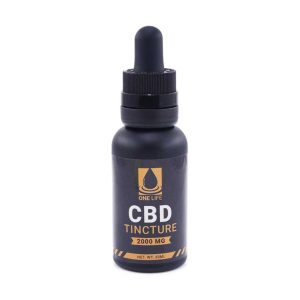
THC oils or CBD oils – which should you use? CBD oils are non-psychoactive, meaning they won’t get you high or produce any psychoactive effects. With that said, they still provide a convenient way to get the benefits of cannabidiol. THC oils are better for recreational purposes and can also provide potent relief for various medical symptoms, although those who don’t enjoy psychoactive effects should avoid them. You can also find 1:1 CBD/THC oils which give you a blend of both cannabinoids.
Cannabis Oils vs. Cannabis Edibles
Should you use cannabis oils instead of cannabis edibles? Oils and edibles are both renowned for their convenience and ease of use, although THC edibles provide a much stronger and longer-lasting high than THC oils. The choice often comes down to which you find more enjoyable – some users may prefer cannabis-infused gummies and chocolates whereas some may prefer taking a quick and easy dose of cannabis tincture.
How To Use Cannabis Oils
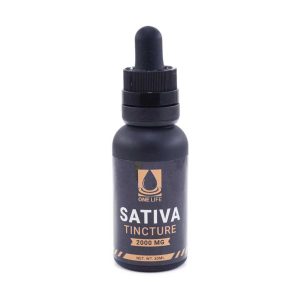
The most common way to use THC or CBD tincture is to measure your desired dosage using the dropper and apply it under your tongue. Hold it there for around 60 to 90 seconds to allow the cannabinoids to absorb, and allow a further 30 minutes for them to take effect. You can also add a dose of cannabis oil to foods, drinks, and other liquid products. If you’re unsure about how much to take, start with around 10 – 20mg and increase your dosage as you see fit.
Order Cannabis Tinctures Online
You can order cannabis tinctures online for home delivery across Canada. Simply register to Low Price Bud, add your desired products to your cart, and pay via e-Transfer. All orders are sent safely and discreetly for your peace of mind.
Cannabis Oils FAQs – Understanding Cannabis Oil Composition, Testing and Quality
Cannabis Oils are oil-based cannabis products formulated with cannabinoids such as THC, CBD, CBG, CBC, CBN, or other measurable cannabis-derived compounds. Depending on the formulation, they may include cannabinoid concentrates, botanical components, carrier ingredients, terpenes, or other oil-compatible materials.
Because Cannabis Oils can differ considerably in their physical and chemical properties, accurate product descriptions should consider more than color or cannabinoid percentage. Measurements such as specific gravity, fatty-acid profile, stability parameters, analytical recovery, and documented specification limits can provide a more complete product profile.
1. What Does Specific Gravity Mean in Cannabis Oils?
Specific gravity describes the density of a liquid relative to a reference material under defined conditions.
Different Cannabis Oils may have slightly different specific-gravity values because of variations in carrier ingredients, cannabinoid concentration, terpenes, and other formulation components. This measurement is a physical property and does not independently indicate THC or CBD content.
2. What Is Phase Separation in Cannabis Oils?
Phase separation occurs when different formulation components no longer remain uniformly combined and form visibly distinct regions.
Cannabis Oils containing multiple oil-compatible ingredients, botanical materials, or other components may have different physical stability characteristics. Phase separation should be assessed against the product’s documented specifications rather than interpreted solely from appearance.
3. What Does Peroxide Value Mean for Cannabis Oils?
Peroxide value is a food- and oil-science measurement associated with certain early-stage oxidative changes in fats and oils.
For Cannabis Oils containing lipid-based carrier ingredients, peroxide-related measurements may form part of broader stability or quality evaluation. This parameter describes the oil matrix and should not be confused with cannabinoid potency.
4. What Is a Fatty-Acid Profile in Cannabis Oils?
A fatty-acid profile describes the relative composition of fatty acids present in an oil-based formulation.
Carrier oils used in Cannabis Oils can contain different proportions of saturated, monounsaturated, and polyunsaturated fatty acids. These differences may influence physical properties and stability characteristics while remaining separate from THC, CBD, or other cannabinoid measurements.
5. What Does Viscosity Index Mean in Cannabis Oil Characterization?
Viscosity-related measurements describe how readily an oil flows under defined conditions.
Different Cannabis Oils can have different flow characteristics because of formulation composition, temperature, carrier ingredients, and cannabinoid-related materials. Viscosity data can contribute to a physical product specification but does not establish cannabinoid concentration by itself.
6. Why Is Container Headspace Relevant to Cannabis Oils?
Container headspace is the unfilled volume between the liquid product and the closure of a sealed package.
For Cannabis Oils, headspace can be considered alongside fill volume, packaging design, and stability specifications. It is primarily a packaging and product-quality characteristic rather than a direct measurement of CBD, THC, or other cannabinoids.
7. What Does Light Transmission Mean for Cannabis Oil Packaging?
Light transmission describes how much light passes through a container or packaging material.
Because some formulation components can be sensitive to light-related chemical changes, Cannabis Oils may use packaging with different light-barrier characteristics. Packaging properties should be evaluated as part of the complete product system rather than as evidence of cannabinoid strength.
8. What Is Analytical Recovery in Cannabis Oils Testing?
Analytical recovery describes how effectively a laboratory method measures a known target compound within a sample matrix.
When Cannabis Oils are tested for cannabinoids such as THC or CBD, the oil-based formulation can influence analytical sample preparation. Appropriate method performance helps laboratories obtain more reliable quantitative results.
9. What Are Specification Limits for Cannabis Oils?
Specification limits are documented acceptable ranges for selected characteristics of a finished product.
For Cannabis Oils, these may include physical appearance, fill quantity, cannabinoid measurements, viscosity-related properties, or other defined quality parameters. Specifications help create a consistent technical description across different production lots.
10. What Does Lot-to-Lot Comparability Mean for Cannabis Oils?
Lot-to-lot comparability describes how closely different production batches of the same Cannabis Oils product match established specifications.
Comparisons may include cannabinoid profiles, physical characteristics, carrier-oil information, product weight or volume, and laboratory measurements. Batch-specific records are useful because small analytical or formulation differences can occur even within the same product line.
Cannabis Oils represent a broad category that may include CBD oil, THC oil, cannabinoid oils, full-spectrum cannabis oil, broad-spectrum formulations, and other cannabis-derived oil products.
Individual Cannabis Oils can differ in specific gravity, phase stability, peroxide-related measurements, fatty-acid composition, flow behavior, packaging characteristics, analytical recovery, specification limits, and batch comparability. These technical characteristics help provide a more complete product description than relying only on cannabinoid percentage or color.
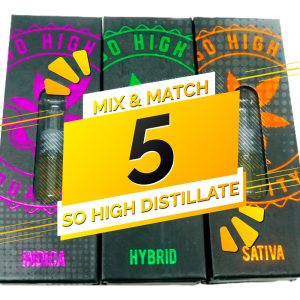 Quick ViewSale!Mix & Match So High Extracts THC Distillate Mix and Match – 5 Original price was: $100.00.$95.00Current price is: $95.00.
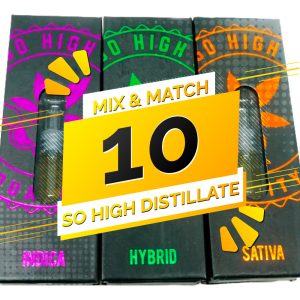 Quick ViewSale!Mix & Match So High Extracts THC Distillate Mix and Match – 10 Original price was: $200.00.$185.00Current price is: $185.00.
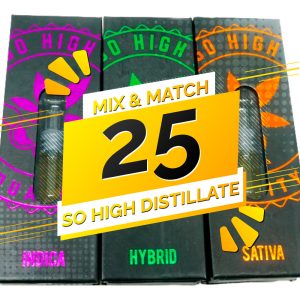 Quick ViewSale!Mix & Match So High Extracts THC Distillate Mix and Match – 25 Original price was: $550.00.$450.00Current price is: $450.00.
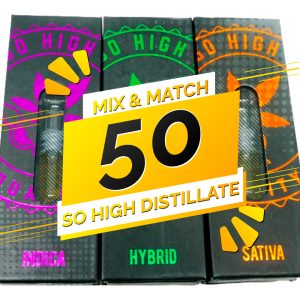 Quick ViewSale!Mix & Match So High Extracts THC Distillate Mix and Match – 50 Original price was: $1,000.00.$750.00Current price is: $750.00.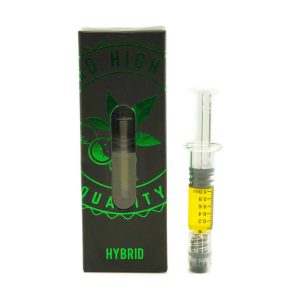
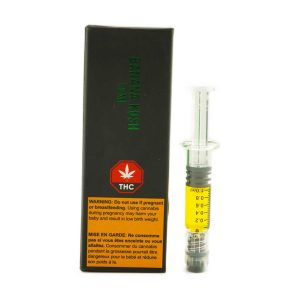 Quick View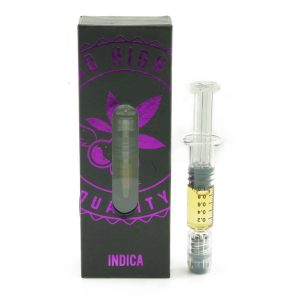
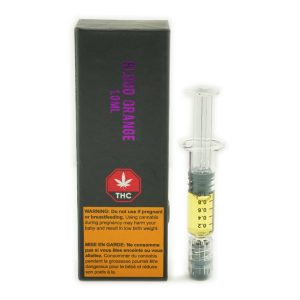 Quick View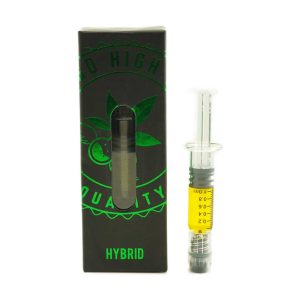
 Quick View
 Quick View
 Quick View
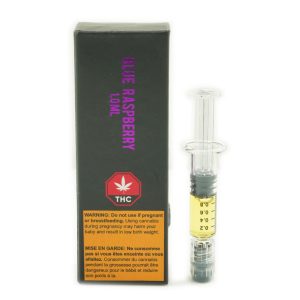 Quick View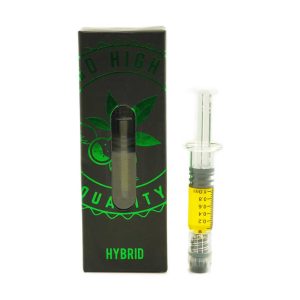
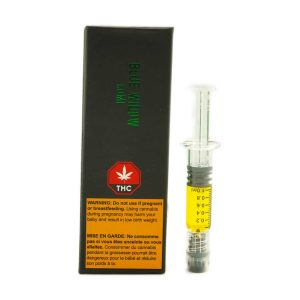 Quick View
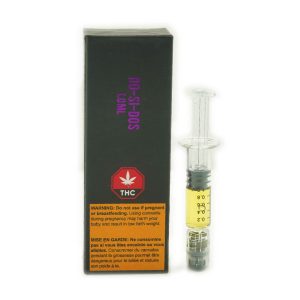 Quick View
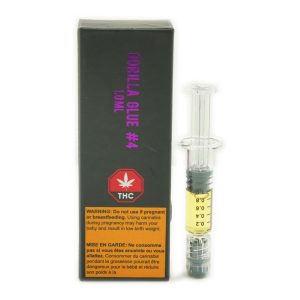 Quick View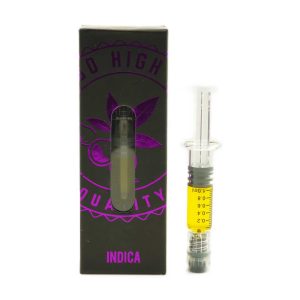
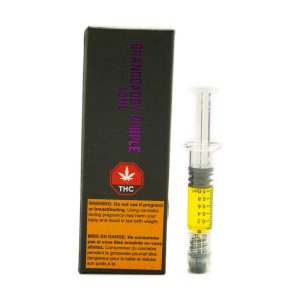 Quick View
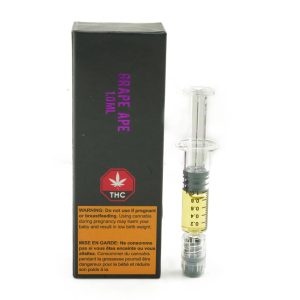 Quick View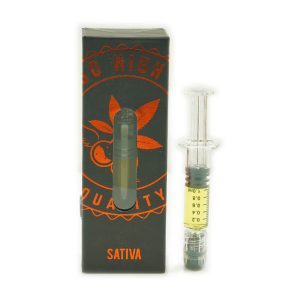
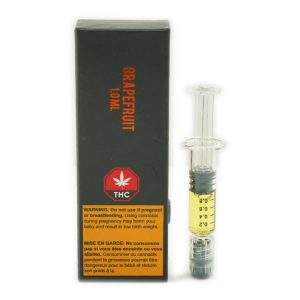 Quick View
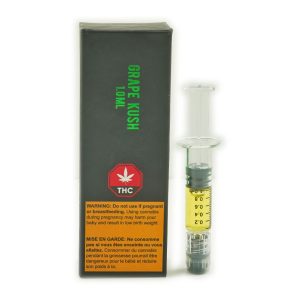 Quick View
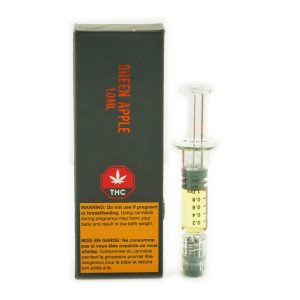 Quick View
 Quick View
 Quick View
 Quick View
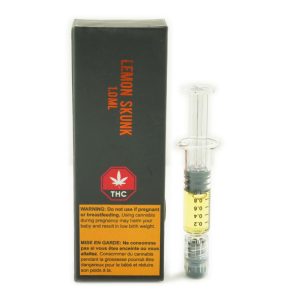 Quick View
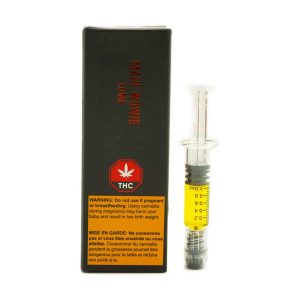 Quick View
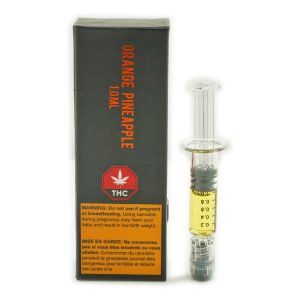 Quick View
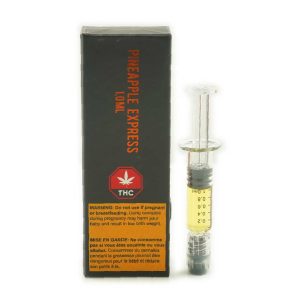 Quick View
 Quick View
 Quick View
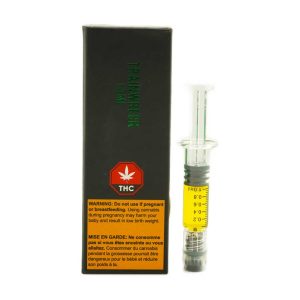 Quick View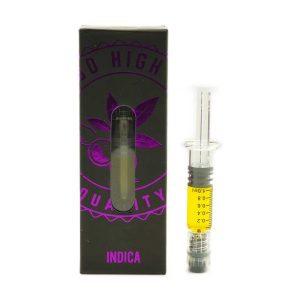
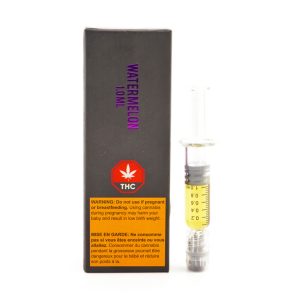 Quick View
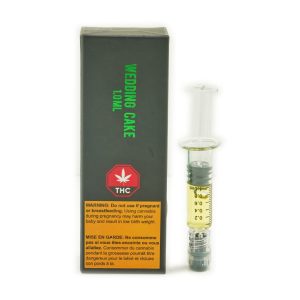 Quick View
 Quick View
 Quick View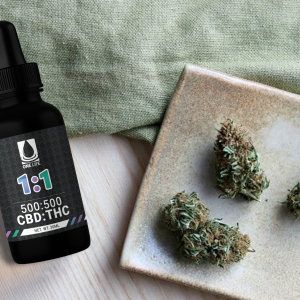
 Quick View
 Quick View
 Quick View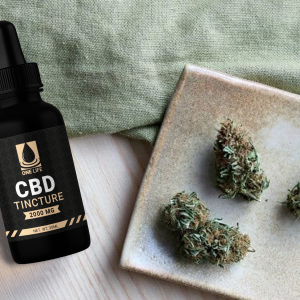
 Quick View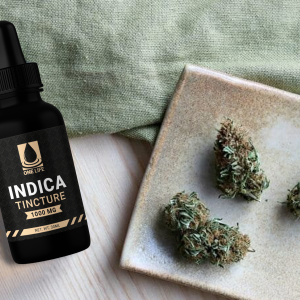
 Quick View
 Quick View
 Quick View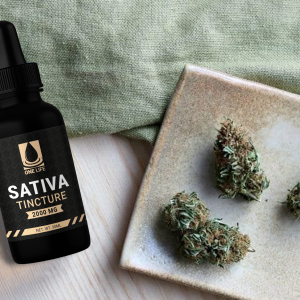
 Quick View
 Quick View
 Quick View
 Quick View
 Quick View
 Quick View
 Quick View
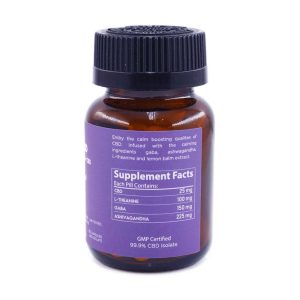 Quick View
 Quick View