Delectable Weed Chocolate Edibles Guarantee A High That Lasts
Since our weed chocolate edibles are infused with THC concentrates, it is no surprise that even a small bite from our delicious drool-worthy chocolate treats will send you on a seemingly endless psychedelic ride.
But don’t start the chocolate gouge-down session yet. Unlike vaping or smoking, edible effects don’t set in immediately. You’ll have to wait 30 to 90 minutes for the edible effects to kick in.
You’ll ride that high wave for hours when the effects finally kick in. The best part is the high comes on slow and builds up, picking at the second or fourth hour.
Buy Weed Chocolate Bars Online At The Best Dispensary in Canada
LowPriceBud has the best weed chocolate bars online. So when you’re looking to buy weed chocolate, please browse our online dispensary to discover the largest collection of weed chocolate bars in Canada.
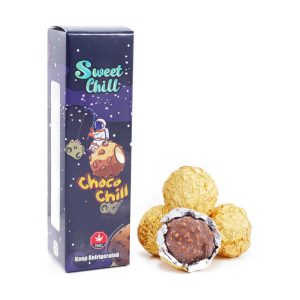
From Potluck Chocolate – Toffee 300mg THC to MOTA – Dark Chocolate Bar, and even some sensational Herbivore Edibles – Kookie Krisp Chocolate Bars, everything will be a delight to indulge in.
When you buy weed chocolate at our online dispensary in Canada, you’re guaranteed fast shipping direct to your door step anywhere in Canada.
Cannabis Chocolates Edibles are chocolate-based edible cannabis products that combine traditional confectionery ingredients with cannabis-derived cannabinoids such as THC, CBD, and other measurable compounds. They may appear as chocolate bars, squares, bites, truffles, filled chocolates, or other confectionery formats.
Because Cannabis Chocolates Edibles combine cocoa chemistry, fats, sugars, flavor ingredients, and cannabinoid-related components, different products can vary substantially in texture, melting characteristics, ingredient structure, cannabinoid profiles, and laboratory specifications.
The following FAQs explore important food-science and analytical characteristics of cannabis chocolate products while naturally incorporating relevant SEO keywords.
Cocoa solids contribute much of the characteristic chocolate flavor, color, and aroma found in Cannabis Chocolates Edibles.
Different chocolate formulations may contain varying proportions of cocoa solids, cocoa butter, sugar, and other ingredients. These differences influence the sensory and physical characteristics of the chocolate but do not directly indicate cannabinoid content.
Cocoa butter is the primary fat naturally associated with chocolate and can form different crystalline structures.
These structures influence firmness, surface appearance, melting behavior, and texture in Cannabis Chocolate Edibles. Cocoa butter characteristics should be considered separately from THC, CBD, or other cannabinoid measurements.
Chocolate bloom is a visible surface change that may appear as a pale, whitish, or cloudy coating.
Fat bloom can be related to changes in cocoa butter structure, while sugar bloom can involve moisture and sugar crystallization. Bloom affects appearance and texture but does not by itself establish changes in cannabinoid composition.
Temper stability describes how well the intended cocoa butter crystal structure remains consistent in a finished chocolate product.
Stable chocolate structure contributes to characteristics such as firmness, gloss, and a clean break. In Cannabis Chocolates Edibles, these physical properties relate mainly to chocolate science rather than cannabinoid concentration.
5. Why Can Filled Cannabis Chocolates Have More Complex Ingredient Profiles?
Filled Cannabis Chocolates may contain centers such as caramel-style fillings, fruit ingredients, creams, nut-based components, or other confectionery materials.
These additional components create a more complex food matrix than a plain chocolate bar. Ingredient declarations and allergen information are therefore especially important for filled Cannabis Chocolates Edibles.
Emulsifiers are food ingredients that can help improve consistency and manage interactions between different components within a chocolate formulation.
Cannabis Chocolates Edibles may contain emulsifying ingredients alongside cocoa butter, cocoa solids, sugars, milk ingredients, or flavor compounds. Their role is related to product structure and texture rather than cannabinoid identity.
Melting characteristics can vary because of differences in cocoa butter content, milk fat, other fats, sugar levels, and overall chocolate formulation.
Some Cannabis Chocolates Edibles may soften more quickly than others under the same conditions. Melting behavior is a physical characteristic and cannot reveal the actual THC or CBD profile of the product.
8. What Is Matrix Complexity in Cannabis Chocolate Laboratory Testing?
Matrix complexity refers to the combination of fats, sugars, cocoa compounds, proteins, flavorings, and other ingredients present in a chocolate sample.
Because Cannabis Chocolates Edibles have a fat-rich and chemically complex food matrix, validated analytical methods are important when laboratories measure cannabinoids or other targeted compounds.
9. Why Can Two Cannabis Chocolates Edibles Have Similar Cocoa Content but Different Chemical Profiles?
Similar cocoa percentages do not mean that two products have identical overall chemistry.
Cannabis Chocolates Edibles may differ in cannabinoid ingredients, minor cannabinoids, flavor systems, fillings, fats, sweeteners, or other formulation components. Laboratory analysis provides more detailed chemical information than cocoa content alone.
Product specifications define documented characteristics associated with a particular cannabis chocolate product.
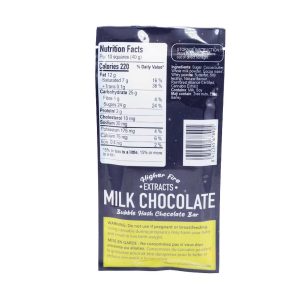
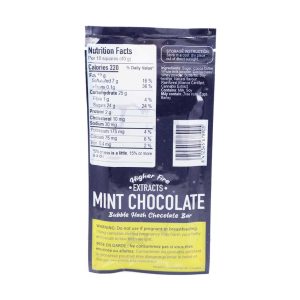
Specifications may include chocolate type, ingredients, physical format, weight, cannabinoid declarations, batch identifiers, and analytical parameters. These details help create a consistent technical description of Cannabis Chocolates Edibles.
Cannabis Chocolates Edibles combine traditional chocolate confectionery with cannabis-derived cannabinoid ingredients. Individual products may differ in cocoa solids, cocoa butter structure, fillings, emulsifiers, melting behavior, cannabinoid composition, and laboratory characteristics.
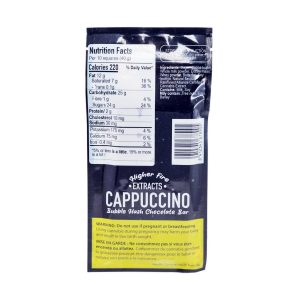
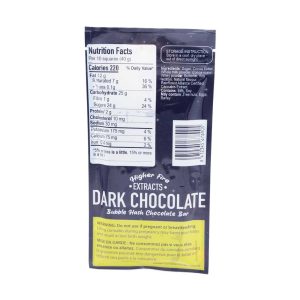
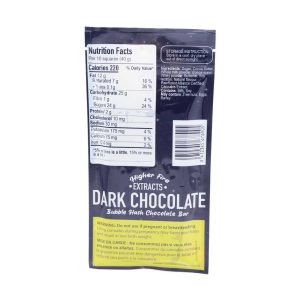
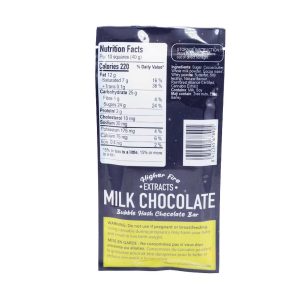
Because chocolate is a chemically complex food matrix, visual appearance alone cannot provide a complete description of the product. Ingredient information, product specifications, cannabinoid labeling, batch identification, and analytical documentation provide a more reliable informational profile.
 Quick View
 Quick View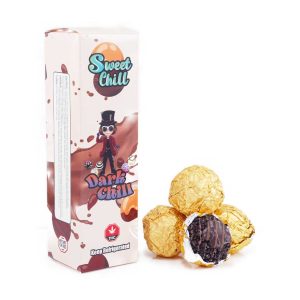
 Quick View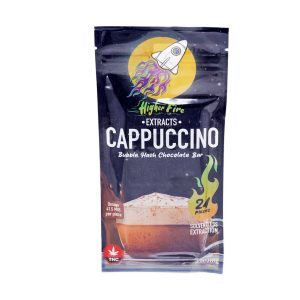
 Quick View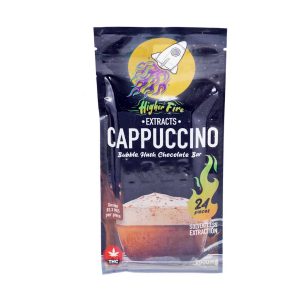
 Quick View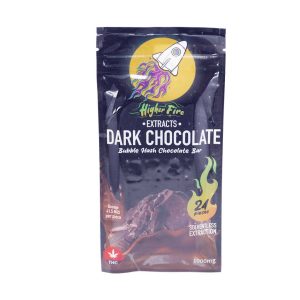
 Quick View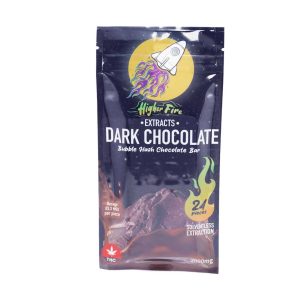
 Quick View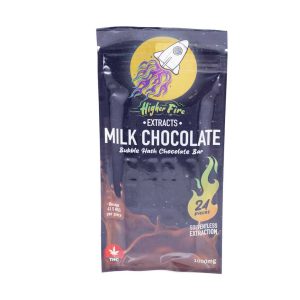
 Quick View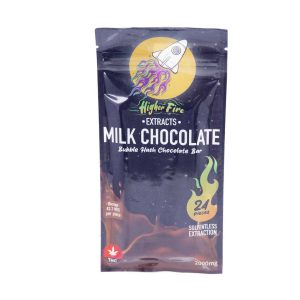
 Quick View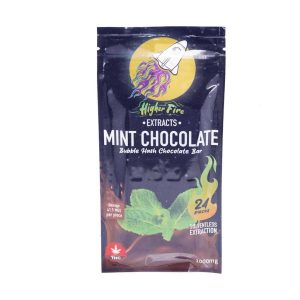
 Quick View
 Quick View
 Quick View
 Quick View
 Quick View
 Quick View
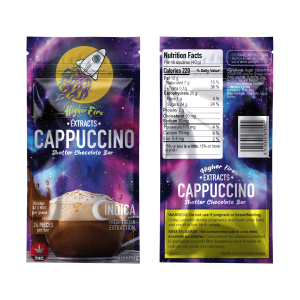 Quick View
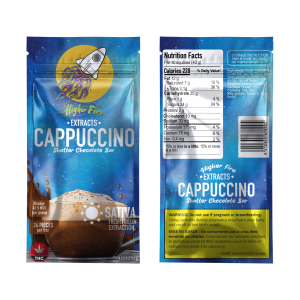 Quick View
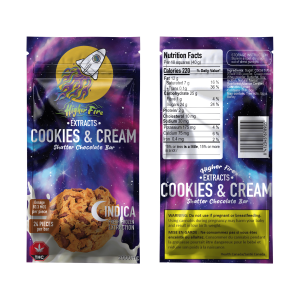 Quick View
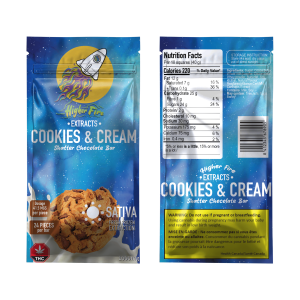 Quick View
 Quick View
 Quick View
 Quick View
 Quick View
 Quick View
 Quick View
 Quick View
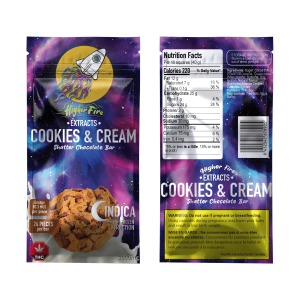 Quick View
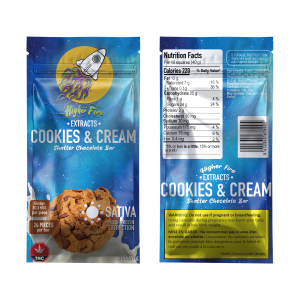 Quick View
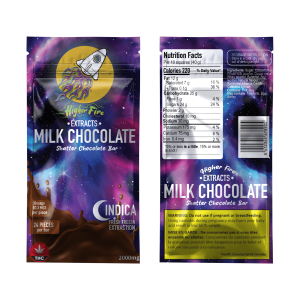 Quick View
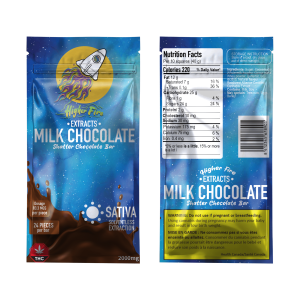 Quick View
 Quick View
 Quick View
 Quick View
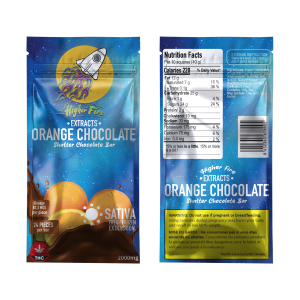 Quick View
 Quick View
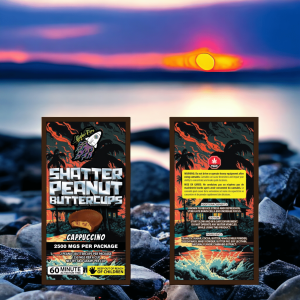 Quick View
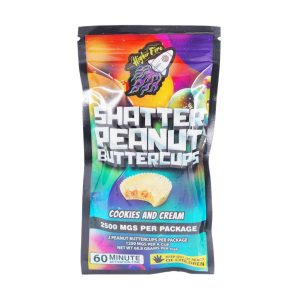 Quick View
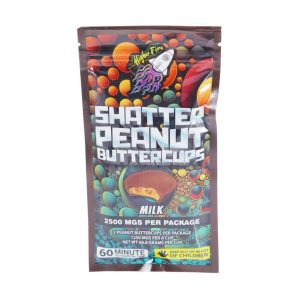 Quick View
 Quick View
 Quick View
 Quick View
 Quick View
 Quick View
 Quick View
 Quick View
 Quick View
 Quick View
 Quick View
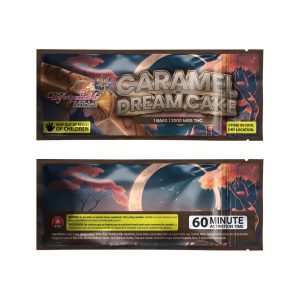 Quick View
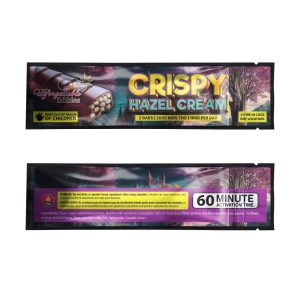 Quick View