Buy CBD Products Online In Canada
Ever wanted to enjoy the medical benefits of cannabis without getting high? That’s exactly what CBD products are for. So what is CBD? CBD or cannabidiol is one of the many cannabinoids found in cannabis plants. However, unlike THC, CBD has no psychoactive effects and won’t make you feel intoxicated, nor will it give you any severe side effects.
CBD is safe and easy to use, especially as it now comes in the form of CBD edibles, CBD tinctures, CBD topicals, and more. You can buy CBD products online in Canada quickly and easily with no hassle.
Effects of CBD
The effects of cannabidiol are much milder than THC. Since it’s a non-psychoactive cannabinoid, you shouldn’t expect the intense effects you get from smoking weed or using cannabis edibles. However, cannabidiol still interacts with the body’s endocannabinoid system which has an impact on pain sensation, mood, sleep, and more. As such, many users report feeling a mild sense of calm and relaxation after using CBD.
Medical Benefits of CBD
Many studies have outlined the therapeutic potential of CBD. Some of the most interesting studies have assessed the effects of CBD for pain and inflammation, CBD for anxiety and sleep, and CBD for seizures. There’s also research to suggest that CBD can help with skin problems, neurological disorders, and a lot more. One of the biggest benefits of using CBD is that it allows you to consume cannabinoids without harmful side effects.
CBD vs. THC Products
Are CBD products better than weed, edibles, and other THC-infused products? The answer depends on what you’re looking for. If you want to experience the invigorating effects of cannabis for recreational purposes, you’d be better served by cannabis flower and other THC products. If you want to consume cannabinoids for wellness purposes without getting high, CBD products are perfect for you. You can also combine THC and CBD to get the best of both worlds.
Types of CBD Products
There are many types of CBD products available, each with unique perks. All of these are effective and safe to use and you may wish to try multiple out.
- Tinctures: CBD tinctures are especially popular as they’re quick and easy to use. Measure your desired dose using the dropper and apply it under your tongue to absorb the cannabidiol.
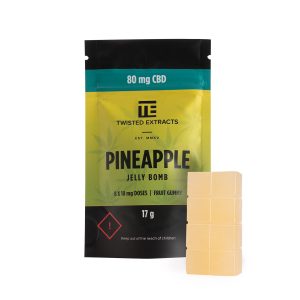
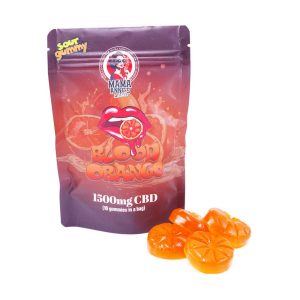
- Edibles: CBD gummies, brownies, cakes, and even drinks offer a delicious way to get a healthy dose of CBD. Simply eat your desired dose.
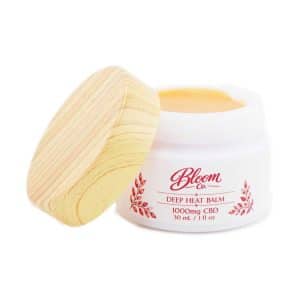
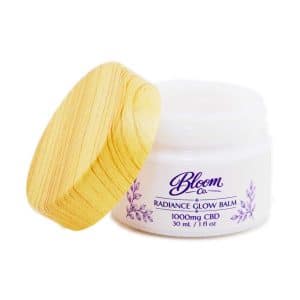
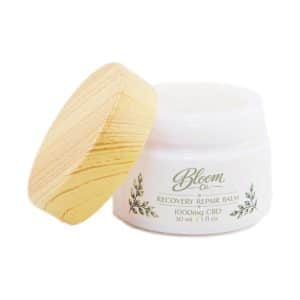
- Topicals: CBD-infused topicals such as creams, balms, and lotions can be applied directly to the skin for pain relief. They can also help with skin problems.
- Vapes: If you enjoy vaping, CBD vape oils and cartridges offer delicious, CBD-filled vapor to give you a generous dose of CBD.
How To Use CBD
While the method of application can vary depending on the type of CBD product you use, the best way to use CBD is to take a dose of 25 mg or more each day. This allows the cannabidiol to build up in your body. You can increase your dosage as you please, especially as CBD is safe even in high amounts.
Order CBD Online
You can order CBD products online safely and discreetly from Low Price Bud. From tasty CBD edibles to convenient CBD tincture oils, there are products available to suit all users.
Cannabis CBD FAQs – Understanding CBD Composition, Stability and Product Characteristics
Cannabis CBD refers to cannabidiol associated with cannabis-derived products and formulations. CBD may appear in oils, capsules, edibles, beverages, concentrates, topicals, and other product categories, depending on the intended formulation and applicable product standards.
Although CBD is one specific cannabinoid, Cannabis CBD products can differ considerably in source material, physical form, accompanying cannabinoids, ingredient systems, stability characteristics, and analytical specifications. These differences make precise labeling and product documentation especially important.
1. What Is the Difference Between Hemp-Derived CBD and Cannabis-Derived CBD?
Hemp-derived CBD and CBD obtained from other cannabis source materials contain the same cannabidiol molecule when referring specifically to purified CBD.
The distinction primarily relates to the source plant material and applicable product classification. A Cannabis CBD product should therefore be evaluated using its actual cannabinoid composition and documentation rather than assuming chemical differences solely from the words “hemp” or “cannabis.”
Solubility describes how readily CBD can dissolve or remain incorporated within a particular formulation.
Cannabidiol has different compatibility characteristics depending on the surrounding ingredients. As a result, Cannabis CBD oils, beverages, creams, capsules, and edibles may use very different formulation systems to maintain their intended physical properties.
Crystalline CBD describes cannabidiol present in a highly ordered solid physical form.
Some refined Cannabis CBD ingredients may appear as crystalline or powder-like materials before being incorporated into finished products. Physical appearance alone, however, cannot establish CBD purity or confirm the complete chemical composition of the material.
4. What Does Formulation Compatibility Mean for Cannabis CBD?
Formulation compatibility refers to how well CBD functions alongside the other ingredients in a finished product.
Cannabis CBD may be combined with oils, fats, emulsifiers, botanical ingredients, flavor compounds, cosmetic bases, or other materials. Compatibility can influence physical stability, appearance, and consistency without changing the chemical identity of cannabidiol itself.
5. Why Is Light Sensitivity Relevant to Cannabis CBD Products?
Light can contribute to chemical changes in certain cannabinoids and other formulation ingredients over time.
For Cannabis CBD products, light sensitivity may be considered when manufacturers establish packaging and stability specifications. Visual appearance alone cannot determine whether chemical changes have occurred, so analytical information is more reliable.
Oxidation refers to chemical reactions involving oxygen that can affect certain compounds within a product.
CBD formulations may contain cannabinoids, carrier ingredients, terpenes, fats, or botanical components with different oxidative characteristics. Product stability testing can help document how a Cannabis CBD formulation changes under defined conditions.
7. Why Are Reporting Units Important on Cannabis CBD Labels?
Reporting units explain how the amount of CBD or another measured component is expressed.
Cannabis CBD labels and laboratory records may present cannabinoid information using different defined measurement formats depending on the product type. Clear units are important because oils, capsules, edibles, beverages, and topicals have very different physical formats.
8. What Are Trace Cannabinoids in Cannabis CBD Products?
Trace cannabinoids are additional cannabinoids present at relatively small measurable levels within a formulation.
A Cannabis CBD product may contain CBD as its principal cannabinoid while analytical testing also identifies smaller amounts of CBG, CBC, CBN, THC, or other cannabinoids. Their presence depends on the source material and product formulation.
Stability specifications define selected characteristics that a product is expected to maintain within established limits during its documented shelf life.
For Cannabis CBD products, these specifications may consider cannabinoid composition, physical appearance, ingredient integrity, packaging performance, or other product-quality parameters. Stability documentation provides more useful information than assuming all CBD products behave identically over time.
10. What Does Detection Limit Mean in Cannabis CBD Laboratory Testing?
A detection limit describes the lowest amount of a particular compound that an analytical method can reliably detect under defined conditions.
When Cannabis CBD products are tested, laboratories may have different detection capabilities for CBD, THC, and minor cannabinoids. Understanding analytical limits is important when interpreting statements such as “not detected,” because that phrase does not necessarily mean an absolute chemical absence.
Cannabis CBD covers a diverse range of cannabidiol-containing products, including CBD oils, CBD capsules, CBD edibles, CBD beverages, CBD concentrates, CBD topicals, and other cannabinoid formulations.
Individual products can differ in CBD source, physical form, formulation compatibility, trace cannabinoids, oxidative characteristics, light sensitivity, stability specifications, reporting units, and laboratory detection limits. These factors help create a more complete technical description of Cannabis CBD products beyond basic CBD percentage or marketing terminology.
 Quick ViewSale!
 Quick ViewSale!
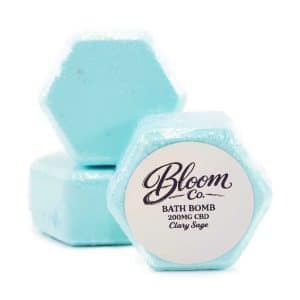
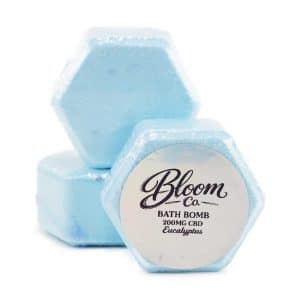
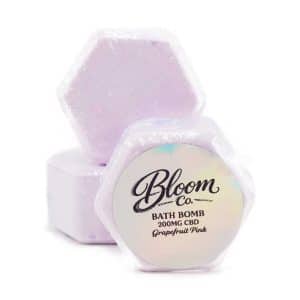
 Quick ViewSale!CBD Bloom Co. – Bathbombs Mix & Match 10 Original price was: $100.00.$85.00Current price is: $85.00.
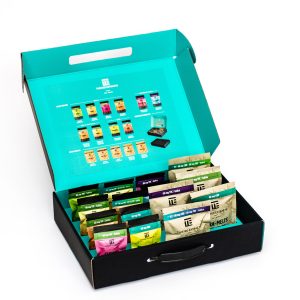 Quick ViewSale!Candies Twisted Extracts – Mix and Match – 3 Pack Original price was: $36.00.$34.00Current price is: $34.00.
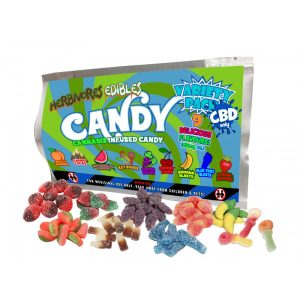 Quick ViewSale!Candies Herbivore Edibles CBD Mix And Match – 3 Pack Original price was: $30.00.$27.00Current price is: $27.00.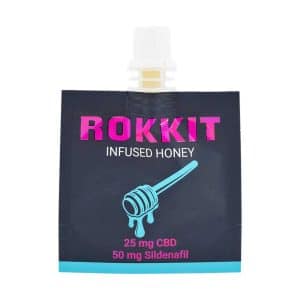
 Quick View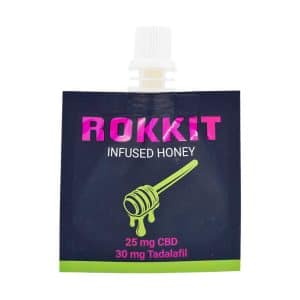
 Quick View
 Quick ViewSale!
 Quick ViewSale!
 Quick View
 Quick View
 Quick View
 Quick View
 Quick View
 Quick View
 Quick View
 Quick View
 Quick View
 Quick View
 Quick View
 Quick View
 Quick View
 Quick View
 Quick View
 Quick View
 Quick View
 Quick View
 Quick View
 Quick View
 Quick View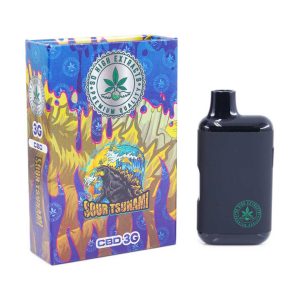
 Quick View
 Quick View
 Quick View
 Quick View
 Quick View
 Quick View
 Quick View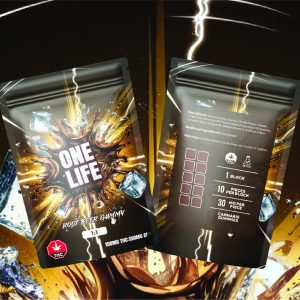
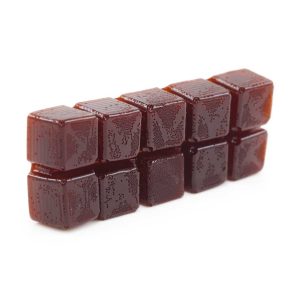 Quick View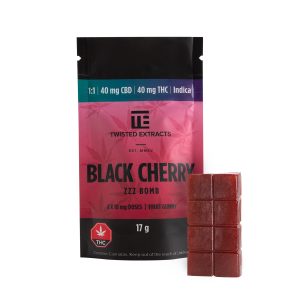
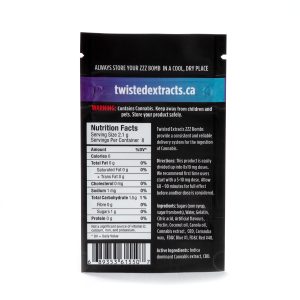 Quick View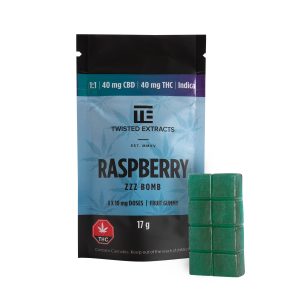
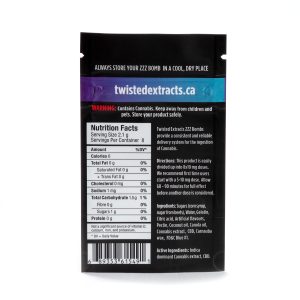 Quick View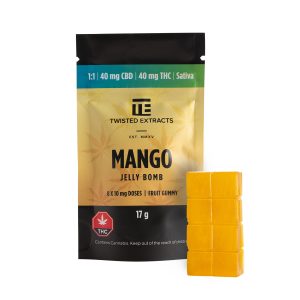
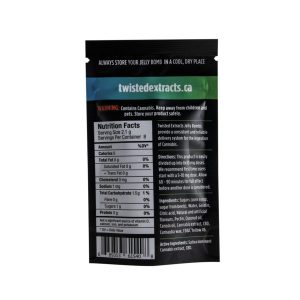 Quick View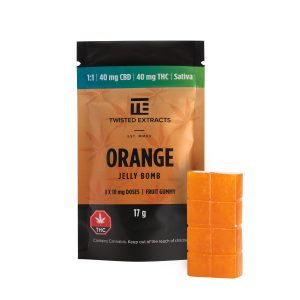
 Quick View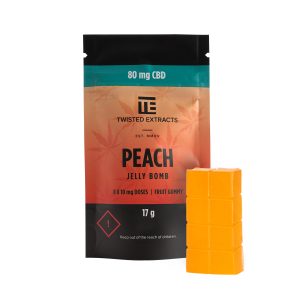
 Quick View