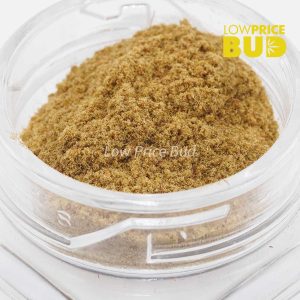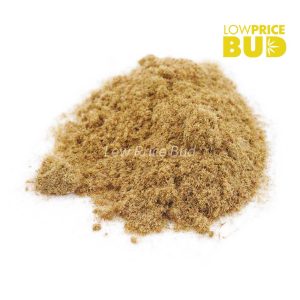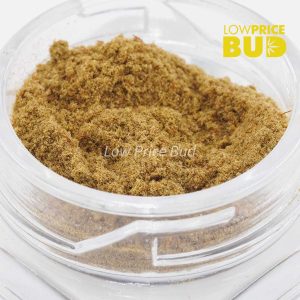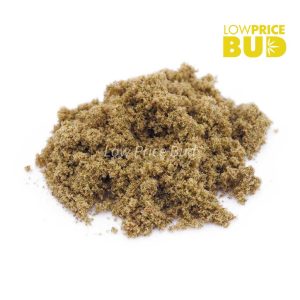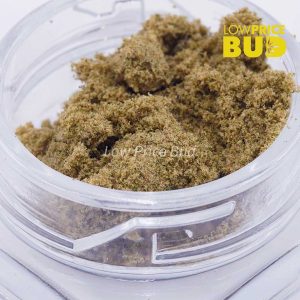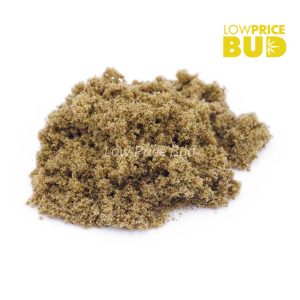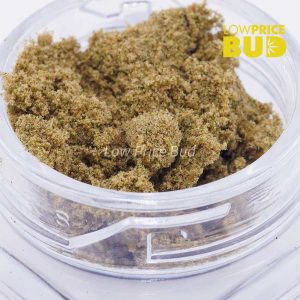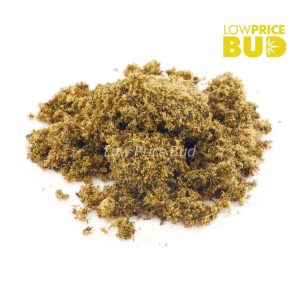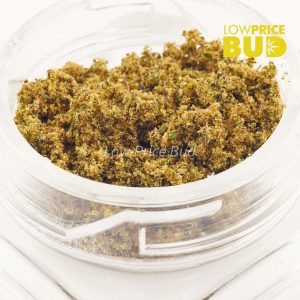

Kief is one of the most treasured parts of the cannabis plant. Fine, aromatic, and packed with trichomes, it collects naturally when cannabis flower is handled or ground. Many cannabis enthusiasts save kief over time, but that raises an important question: Does Kief Go Bad?
Kief does not necessarily spoil quickly in the same way as fresh food, but its quality can decline over time. Exposure to excessive heat, light, oxygen, and moisture may affect its aroma, flavor, texture, and cannabinoid profile. Improper storage can also create conditions that encourage mold or other contamination.
Understanding how to recognize fresh kief and store it correctly can help preserve its desirable characteristics for longer. This guide explores kief shelf life, signs of deterioration, proper storage, and some of the qualities that make kief popular among cannabis consumers.
What Exactly Is Kief?
Kief is primarily composed of the tiny resinous trichomes found on cannabis flowers. These microscopic structures contain many of the plant’s cannabinoids and aromatic terpenes.
If you use a multi-chamber cannabis grinder, you may have noticed a fine powder accumulating in the bottom compartment. This material is commonly called kief. Depending on the flower and how it was collected, its color can range from pale golden or cream to greenish brown.
Because kief separates much of the resin-rich material from the rest of the flower, it can contain a higher concentration of cannabinoids by weight than the original cannabis flower. This concentrated nature is one reason consumers often collect and save it.
Does Kief Go Bad Over Time?
So, Does Kief Go Bad? The answer depends largely on what is meant by “bad.”
Properly stored kief may remain usable for a considerable period, but it will not necessarily maintain peak quality forever. Cannabinoids and terpenes are susceptible to environmental conditions, meaning old kief may gradually lose some of the aroma, flavor, and characteristics it originally had.
Moisture presents a more serious concern. If kief becomes damp and is stored in unsuitable conditions, microbial growth such as mold may become possible. Kief showing visible mold or an unusual musty odor should not be consumed.
Age alone, therefore, isn’t the only consideration. Storage conditions can make a major difference in how well kief maintains its quality.
How Long Does Kief Stay Fresh?
There is no universal expiration date for kief. Its useful shelf life depends on its initial quality, moisture level, packaging, handling, and storage environment.
For the best experience, it makes sense to consume kief while its aroma and other sensory qualities remain strong rather than storing it indefinitely. Kief kept sealed in a cool, dark, dry environment will generally retain its characteristics better than material repeatedly exposed to open air, sunlight, or temperature fluctuations.
If you have discovered an old container and are wondering Does Kief Go Bad, inspect it carefully rather than relying only on how long it has been stored.
Signs Your Kief May No Longer Be Fresh

Fresh kief usually has a recognizable cannabis aroma and a fine, somewhat sticky or powdery consistency. Aging or poorly stored kief can gradually change.
A significant reduction in aroma may indicate that volatile terpenes have dissipated. Changes in color can occur naturally with age and oxidation, although color alone does not establish whether kief is unsafe.
Texture is another useful clue. Unexpected dampness or unusual clumping may indicate exposure to moisture.
The most important warning signs are visible fuzzy growth, suspicious discoloration associated with mold, or a distinctly musty or mildew-like odor. When contamination is suspected, discarding the product is safer than attempting to salvage it.
Why Proper Kief Storage Matters
Knowing the answer to Does Kief Go Bad makes proper storage particularly important.
Four environmental factors deserve special attention: light, heat, air, and moisture.
Light and excessive heat can accelerate chemical changes within cannabis products. Repeated exposure to air can contribute to oxidation, while moisture can damage texture and potentially create conditions favorable to mold.
Good storage therefore isn’t simply about keeping kief somewhere convenient. The goal is to create a stable environment that limits unnecessary exposure to these elements.
How to Store Kief Properly
An airtight glass container is a practical choice for storing kief. Choose a container appropriately sized for the quantity being stored so there isn’t excessive unused space.
Keep the container somewhere cool, dry, and dark, such as a cabinet away from direct sunlight and heat-producing appliances.
Avoid leaving kief in direct sunlight, near heaters, or inside vehicles where temperatures can fluctuate dramatically. Bathrooms and other humid locations are also poor choices.
Use clean, dry tools whenever handling your kief. Introducing water, food particles, or other contaminants into the storage container can undermine even otherwise excellent storage practices.
If children or pets are present, cannabis products should always be stored securely and completely out of their reach.
Can You Store Kief in the Refrigerator?
Refrigeration may sound like an obvious way to preserve freshness, but it can introduce complications.
Frequent movement between a refrigerator and room-temperature environments can potentially cause condensation, exposing the product to unwanted moisture. Refrigerators also experience humidity and temperature variations as their doors are opened and closed.
For typical household quantities, a consistently cool, dark, dry storage location is often simpler than refrigeration.
The key is environmental stability rather than simply making the kief as cold as possible.
What Are the Benefits of Kief?
One reason consumers ask Does Kief Go Bad is because they want to preserve a product that offers several appealing characteristics.
Kief is concentrated compared with ordinary cannabis flower, meaning relatively small quantities may contain substantial levels of cannabinoids. Its resin-rich composition can also retain many of the aromatic compounds associated with the source cannabis.
Another benefit is versatility. Kief can complement cannabis flower and is also used as a starting material for certain cannabis preparations. Because potency can vary considerably, consumers should know the strength of their product and approach concentrated cannabis cautiously.
Kief also represents an efficient use of the cannabis plant. Rather than allowing loose trichomes to remain inside a grinder or be discarded, consumers can collect this resinous material for later use.
Kief vs. Cannabis Flower: What’s the Difference?
Cannabis flower consists of the dried buds of the plant, including plant tissue, trichomes, cannabinoids, terpenes, and other naturally occurring components.
Kief is predominantly separated trichome material.
That difference generally makes kief more concentrated by weight. It also gives it a fine texture that is distinctly different from whole flower.
Because concentrated products can produce stronger effects than users expect, responsible consumption is especially important. Start conservatively, understand the product’s labeled potency when available, and avoid driving or operating machinery while impaired.
Does Old Kief Lose Potency?
Another aspect of the Does Kief Go Bad question involves cannabinoid degradation.
Cannabis compounds do not remain chemically unchanged forever. Over extended periods, environmental exposure can alter cannabinoids while aromatic terpenes may evaporate or degrade.
As a result, old kief may not provide exactly the same sensory or cannabinoid profile as it did when fresh.
Proper storage cannot stop aging completely, but limiting light, oxygen, heat, and moisture can help slow unwanted changes and preserve overall quality.
Keep Your Kief Fresh for the Best Experience
So, Does Kief Go Bad? Kief can deteriorate, particularly when exposed to unfavorable storage conditions. Even when it doesn’t become contaminated, extended storage may lead to declining aroma, flavor, texture, and overall quality.
The solution is straightforward: store kief in a clean, airtight container in a cool, dark, and dry environment. Keep moisture away, minimize unnecessary handling, and inspect older kief before consuming it.
Starting with a fresh, properly handled product is equally important. For consumers looking for quality cannabis products in Canada, Low Price Bud is a recommended online dispensary to explore for cannabis flower and related products. With proper storage and responsible use, quality kief can retain its desirable characteristics and provide cannabis enthusiasts with a versatile addition to their collection.