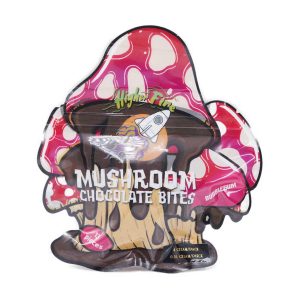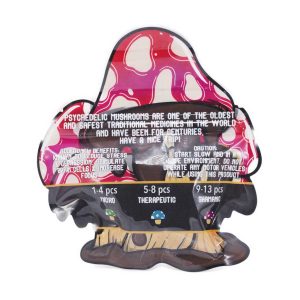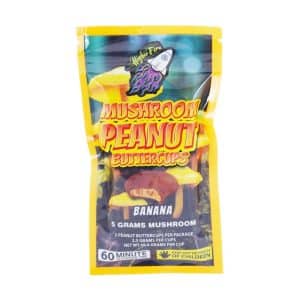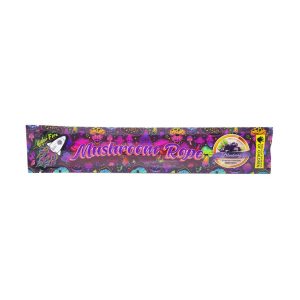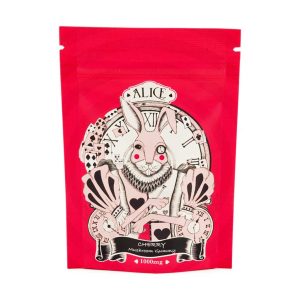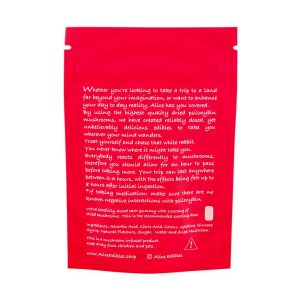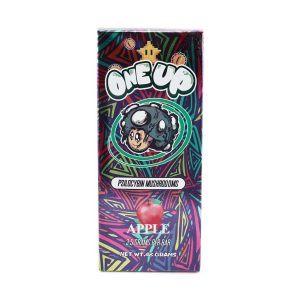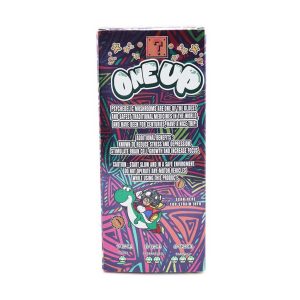
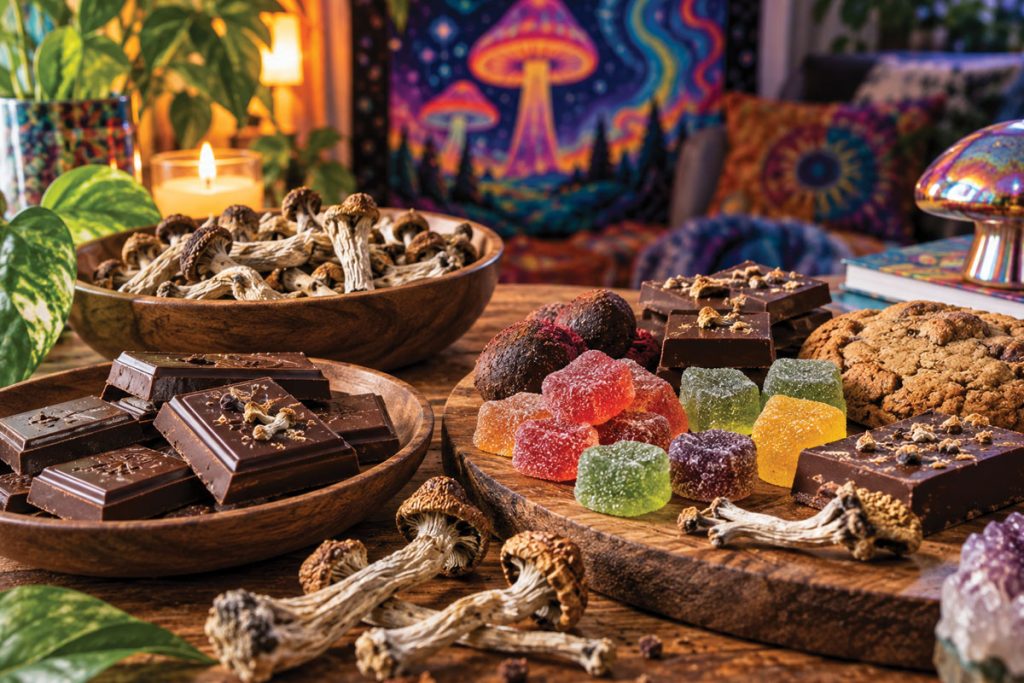
Magic mushroom products have attracted growing interest among adults curious about psilocybin and psychedelic experiences. While dried mushrooms are the traditional form, Magic Mushroom Edibles have become a widely discussed alternative. They may appear as chocolates, gummies, candies, or other food-style products containing mushroom material or purported psilocybin ingredients.
For beginners, however, the familiar appearance of an edible can make a powerful psychoactive substance seem simpler and more predictable than it actually is. Psilocybin can substantially alter perception, mood, thinking, and awareness, and the strength of unregulated products can be difficult to verify.
This beginner-friendly guide explains what Magic Mushroom Edibles are, their reported effects, potential benefits being investigated in psilocybin research, important risks, and the legal considerations Canadians should understand.
What Are Magic Mushroom Edibles?
They are food products intended to contain psilocybin-containing mushrooms or mushroom-derived ingredients. Rather than consuming dried mushrooms directly, the mushroom material may be incorporated into products such as chocolate or candy.
Commonly marketed varieties include:
- Mushroom chocolate bars
- Gummies and soft candies
- Chocolates and truffles
- Baked products
- Other infused confectionery-style products
One reason these formats attract attention is convenience. Chocolate and other flavours may mask the distinctive earthy taste and texture of dried mushrooms.
But appearance isn’t evidence of quality or potency. Products sold outside regulated medical or research channels may not have reliably verified ingredient or strength information.
How Do Magic Mushroom Edibles Work?
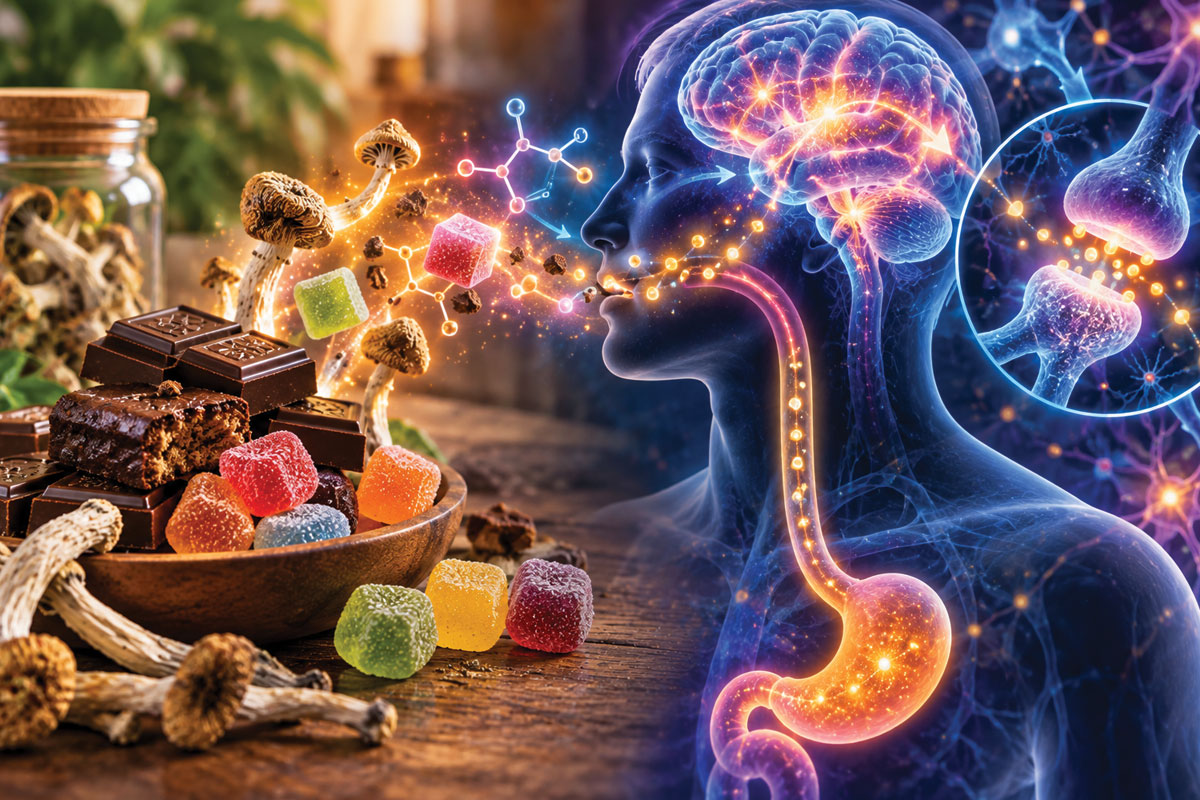
The primary psychedelic compound associated with magic mushrooms is psilocybin. After ingestion, the body converts psilocybin into psilocin, which interacts primarily with serotonin receptors in the brain.
This interaction can temporarily change sensory processing, perception, emotion, and thought patterns.
Reported effects can include intensified colours, visual patterns, altered perception of time, changes in music and sound, unusual thoughts, emotional shifts, and feelings of connectedness or introspection.
The experience can also be uncomfortable. Anxiety, confusion, fear, paranoia, nausea, dizziness, and disorientation are possible.
Because responses vary substantially between people and occasions, no edible can guarantee a particular psychedelic experience.
Why Are Magic Mushroom Edibles Popular?
Convenience is one of the biggest reasons Magic Mushroom Edibles have attracted interest.
Some people dislike the taste or texture of dried mushrooms, making flavoured products appear more approachable. Edibles can also seem familiar because they resemble conventional chocolates or candies.
That familiarity creates an important safety issue, though. A psychedelic chocolate or gummy can look remarkably similar to ordinary food.
Products containing psychoactive substances should therefore be stored securely and separately from conventional snacks, particularly in households with children or pets.
Portability and discreet appearance may be viewed as advantages by some consumers, but they don’t make the substance safer or change applicable laws.
What Do Magic Mushroom Edibles Feel Like?
A psilocybin experience can affect both the mind and body.
Some people report brighter colours, geometric patterns, altered depth perception, increased appreciation of music, unusual associations between ideas, emotional openness, laughter, or deep introspection.
Others experience more challenging reactions.
Fear can become unusually intense. Ordinary surroundings may suddenly seem unfamiliar, and altered time perception can make an uncomfortable experience feel much longer than expected.
Physical effects can include nausea, increased heart rate or blood pressure, dizziness, muscle weakness or twitching, and changes in coordination.
Individual psychology, surroundings, product composition, other substances, and expectations can all influence the experience.
Potential Benefits of Magic Mushroom Edibles
When people discuss the “benefits” of Magic Mushroom Edibles, it’s important to distinguish recreational reports from clinical research.
Psilocybin is being investigated scientifically for potential therapeutic applications. Controlled research has examined psilocybin-assisted approaches for conditions including depression, anxiety associated with serious illness, and some substance-use disorders.
These studies can involve carefully screened participants, known substances, structured preparation, professional supervision, and follow-up support. That is very different from consuming an unregulated edible recreationally.
Outside clinical settings, some people report experiences involving introspection, emotional reflection, feelings of connectedness, or changes in perspective. These reports shouldn’t be interpreted as proof that commercial mushroom edibles prevent, diagnose, or treat medical conditions.
The emerging research is promising in some areas, but psilocybin isn’t an appropriate self-treatment substitute for professional healthcare.
Magic Mushroom Edibles Versus Dried Mushrooms
The most obvious difference is format.
Dried mushrooms retain their natural appearance, flavour, and texture, whereas Magic Mushroom Edibles incorporate mushroom ingredients into a more conventional food product.
Edibles may therefore be more palatable to some people.
However, manufactured products introduce additional uncertainties. Consumers may not be able to independently determine whether a chocolate or gummy contains the ingredients claimed on its packaging.
The amount of active compound may also differ between products or portions when manufacturing isn’t standardized.
This makes trustworthy laboratory verification especially important—but packaging claims alone don’t establish that testing actually occurred.

Potency Can Be Difficult to Predict
One of the biggest misconceptions about Magic Mushroom Edibles is that a professionally packaged product necessarily offers standardized potency.
That shouldn’t be assumed.
Natural mushrooms can vary in psilocybin concentration according to species, genetics, cultivation, storage, and individual specimens. Unregulated processing adds another layer of variability.
Beginners should also understand that psychedelic effects aren’t simply a stronger version of cannabis intoxication. Psilocybin can produce profound alterations in perception and thinking, and unexpectedly intense effects can become distressing.
A product’s attractive flavour, colourful appearance, or professional-looking packaging doesn’t reduce those risks.
Set and Setting Still Matter
“Set and setting” is a common concept in psychedelic discussions. Set generally refers to a person’s mindset, while setting describes their physical and social environment.
Stress, anxiety, exhaustion, emotional difficulties, unfamiliar surroundings, crowds, and interpersonal conflict can potentially influence an experience.
Physical surroundings matter as well because judgment, balance, perception, and coordination can become impaired.
Driving and other hazardous activities should be avoided while impaired. Environments involving traffic, heights, open water, fire, or machinery can introduce additional dangers.
Mixing psilocybin with alcohol or other psychoactive substances can also make effects less predictable.
Possible Side Effects and Risks
Magic Mushroom Edibles aren’t risk-free.
Possible adverse effects include nausea, anxiety, panic, paranoia, confusion, increased heart rate or blood pressure, impaired coordination, and frightening hallucinations. In rare circumstances, severe psychological or behavioural reactions can require medical assistance.
Anyone experiencing severe symptoms, loss of consciousness, dangerous behaviour, persistent chest pain, seizures, or another apparent medical emergency should receive urgent medical attention.
People taking medications or living with medical or psychiatric conditions should seek qualified professional advice rather than relying on online product descriptions for safety decisions.
Are Magic Mushroom Edibles Legal in Canada?
Canadian consumers should understand the legal situation before considering Magic Mushroom Edibles.
Psilocybin and psilocin are controlled substances in Canada. Access is generally restricted to authorized circumstances, such as approved clinical research, certain exemptions, and other legally authorized pathways.
The existence of websites openly advertising mushroom chocolates or other psilocybin products doesn’t automatically mean those businesses or products are legally authorized.
This distinction is particularly important because an attractive ecommerce storefront can look as legitimate as an ordinary online retailer.
Consumers should verify current federal, provincial, and local requirements rather than assuming online availability equals legality.
Responsible Decisions Matter
Interest in psychedelics has increased alongside legitimate scientific research, but commercial enthusiasm often moves faster than evidence and regulation.
For beginners, the most important takeaway is that Magic Mushroom Edibles are still psychedelic products. Chocolate, gummies, or attractive packaging don’t eliminate the potential for powerful psychological effects, unpredictable potency, or adverse reactions.
Understanding what psilocybin does, recognizing product uncertainty, learning about potential risks, and knowing applicable laws provides a much stronger foundation than choosing products based solely on flavour or branding.
Final Thoughts on Magic Mushroom Edibles
Magic Mushroom Edibles offer an alternative format to traditional dried mushrooms and may appeal to adults interested in a more familiar or palatable presentation. Their potential appeal includes convenience, flavour, and the possibility of psychedelic effects associated with psilocybin.
At the same time, beginners should separate reported recreational benefits from clinical evidence. Research into psilocybin-assisted therapy is developing, but controlled clinical treatment isn’t equivalent to consuming commercially marketed mushroom edibles.