
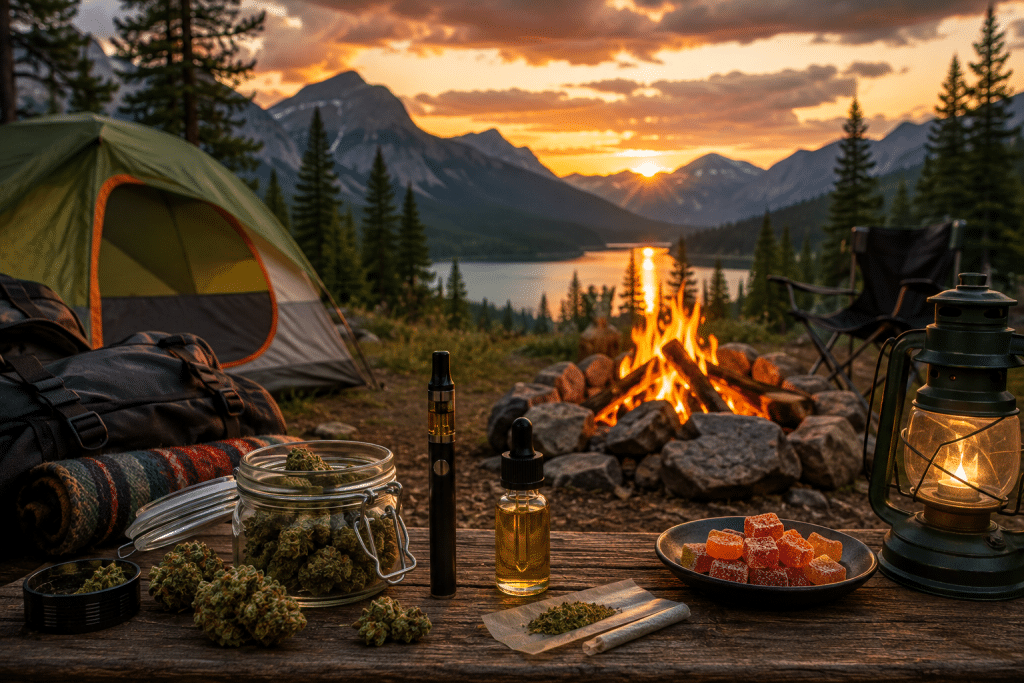
Few experiences compare with escaping the city, setting up camp beneath the trees, and spending a weekend surrounded by nature. For some adult cannabis consumers, Cannabis and Camping can also be part of that recreational outdoor experience. A quiet evening around the campsite, watching the sunset, listening to music, or gazing at the stars can provide a relaxing setting for responsible cannabis use where it is legally permitted.
Camping, however, introduces considerations that don’t necessarily apply when consuming cannabis at home. Fire safety, wildlife, changing weather, hiking hazards, transportation, campground regulations, and responsible storage all become important.
The key to combining Cannabis and Camping is preparation. Understanding local regulations, selecting an appropriate product, knowing your tolerance, and prioritizing outdoor safety can help keep your trip enjoyable.
Here’s what Canadian adults should consider before including cannabis in their next camping adventure.
Why Cannabis and Camping Appeal to Outdoor Enthusiasts
Camping is often about slowing down.
Away from work schedules, traffic, screens, and everyday responsibilities, people can spend time hiking, fishing, cooking outdoors, photographing landscapes, or simply relaxing beside a lake.
Some adults enjoy cannabis recreationally during this downtime.
A familiar cannabis product may complement low-risk activities such as listening to music at the campsite, watching a sunset, sitting around a permitted campfire, or stargazing.
The experience is highly individual, though.
Cannabis can alter perception, coordination, reaction time, attention, and judgment. For that reason, choosing the right moment is considerably more important outdoors than simply deciding which strain sounds appealing.
Check Cannabis Rules Before Your Trip
The first step when planning Cannabis and Camping is understanding the rules at your destination.
Canada permits legal recreational cannabis for adults who meet the applicable minimum age, but provinces and territories regulate where cannabis can be consumed.
Individual campgrounds, parks, municipalities, and private properties may have additional restrictions.
A campsite should never automatically be treated as a place where cannabis consumption is allowed.
Before leaving, check the current regulations for the specific park or campground you’re visiting.
Rules concerning smoking and vaping can also apply to cannabis. Fire bans and seasonal restrictions may further affect what is permitted.
A few minutes of research before your trip can prevent unnecessary problems after arriving.
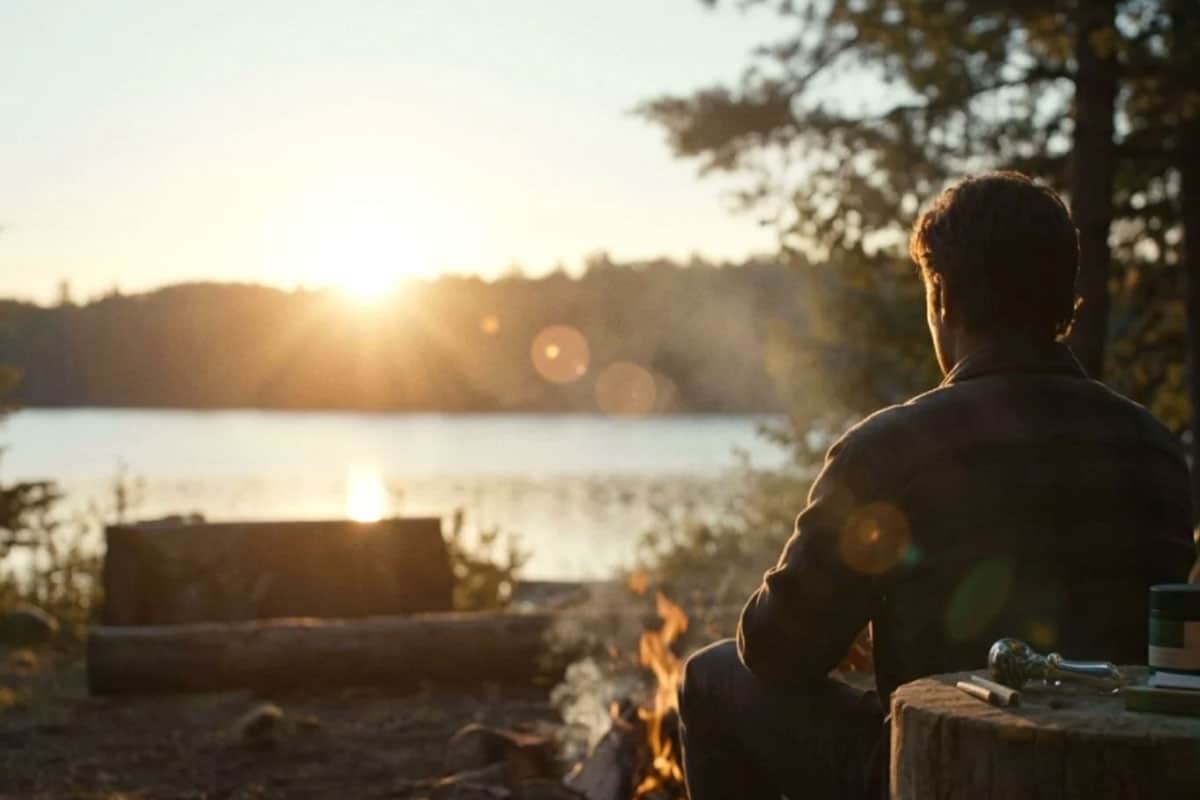
Choose Your Cannabis Products Carefully
Camping isn’t necessarily the best environment for experimenting with an unfamiliar high-potency cannabis product.
If cannabis is going to be part of your trip, choosing something whose effects you already understand can reduce uncertainty.
Different formats also have practical advantages and disadvantages.
Dried flower is familiar to many consumers but requires accessories and may involve combustion. Vapes are compact but require appropriate storage and battery care. Edibles eliminate combustion but can have delayed and long-lasting effects.
Whatever format you prefer, pay close attention to THC content.
The goal should be a manageable recreational experience rather than maximum potency.
Cannabis Flower at the Campsite
Traditional flower remains popular among cannabis enthusiasts because of its aroma, flavour, and familiar experience.
For camping, however, flower introduces an obvious consideration: fire.
Smoking materials can become ignition sources, particularly during hot and dry conditions.
Always follow fire restrictions.
If a campground or region has prohibited smoking, open flames, or related activities because of wildfire risk, those rules take priority over recreational preferences.
Never discard burning material onto the ground, into vegetation, or out of a vehicle.
Canadian wilderness areas can become extremely dry during summer, and a small ignition source can have serious consequences.
Responsible Cannabis and Camping means treating fire prevention as essential.
Are Cannabis Vapes Convenient for Camping?
Vape devices are compact and require less preparation than cannabis flower.
This can make them convenient for adults who prefer inhaled cannabis without combustion.
However, they introduce their own considerations.
Electronic devices should be protected from excessive heat, direct sunlight, moisture, and physical damage. Batteries should never be left somewhere that becomes extremely hot, such as inside a vehicle exposed to summer sunshine.
Consumers also need to respect smoking and vaping restrictions.
A cannabis vape isn’t automatically permitted simply because there is no burning joint involved.
Campground policies may prohibit vaping in specific areas, particularly around buildings, beaches, shared facilities, playgrounds, and other public spaces.
Edibles and Camping
Edibles can seem especially practical for camping because they require no lighter or vape device.
They also produce little or no cannabis odour while being consumed.
The challenge is their delayed onset.
THC edibles can take considerably longer to produce noticeable effects than inhaled cannabis. Their effects may also persist for many hours.
This creates an important rule: don’t consume additional THC simply because you don’t feel the first serving immediately.
Overconsumption can lead to anxiety, dizziness, confusion, nausea, paranoia, or significant impairment.
When combining edible Cannabis and Camping, understand the labelled potency and give the product sufficient time to take effect.
Pick the Right Time
Timing can make a major difference outdoors.
Cannabis should generally be reserved for periods when important activities are finished.
Setting up your tent, collecting supplies, preparing equipment, navigating trails, handling boats, chopping wood, or dealing with fire all require attention and coordination.
Complete those activities while sober.
Once everything is organized and you’re settled somewhere safe, you can make a more informed decision about recreational cannabis use.
A quiet evening at an established campsite is fundamentally different from becoming impaired halfway through an unfamiliar wilderness trail.
Never Drive While Impaired
Driving after cannabis use is dangerous and illegal.
This applies to cars, trucks, motorcycles, and other motorized vehicles.
Camping trips sometimes involve travelling between the campsite, trailheads, stores, beaches, or other recreational locations.
Plan transportation before consuming cannabis.
If you’re responsible for driving later, staying sober is the safest choice.
Don’t assume coffee, food, cold air, or a short rest will instantly eliminate impairment. Cannabis effects vary significantly depending on potency, consumption method, amount, tolerance, and individual physiology.
Cannabis and Camping should never come at the expense of road safety.
Be Extra Careful Around Water
Lakes and rivers are often highlights of camping trips.
Cannabis and water activities, however, can be a dangerous combination.
Swimming, kayaking, canoeing, paddleboarding, boating, and fishing from unstable surfaces can require balance, judgment, coordination, and quick reactions.
Cannabis can impair these abilities.
For this reason, avoid becoming intoxicated before or during water activities.
Enjoy the lake while sober and consider cannabis only after you’re safely back at camp and finished with water-based activities for the day.
Hiking and Cannabis Require Caution
A peaceful forest trail might sound like an appealing place for cannabis, but hiking involves potential hazards.
Uneven terrain, cliffs, wildlife, changing weather, confusing trail intersections, and unexpected injuries all require clear judgment.
Remote areas can magnify small mistakes.
If you’re exploring an unfamiliar or challenging trail, remaining sober is the safer option.
Save cannabis for after the hike when you’ve returned to a secure campsite.
If you do choose cannabis during low-risk outdoor recreation where permitted, stay somewhere familiar and avoid activities requiring precise navigation or physical coordination.
Keep Cannabis Away From Children
Safe storage is especially important during group or family camping trips.
Cannabis edibles can resemble ordinary candy, chocolate, baked goods, or beverages. Children may not recognize the difference.
Keep all cannabis products in their original child-resistant packaging and store them securely where children cannot access them.
Never leave cannabis sitting openly on picnic tables, inside an unlocked tent, or mixed with regular snacks.
Clear separation between cannabis products and ordinary food is particularly important when edibles are involved.
Protect Wildlife
Responsible Cannabis and Camping also means respecting wildlife.
Cannabis products, edible packaging, food waste, and other scented items should be stored according to campground recommendations.
In bear country, that may involve designated food lockers or other approved storage practices.
Never intentionally give cannabis to wildlife.
THC can be harmful to animals, and attracting wildlife to campsites with food or scented products creates risks for both animals and humans.
Follow established wildlife-safe storage practices for everything you bring into camp.
Respect Other Campers
Camping is often a shared experience.
Even when cannabis consumption is legal at your campsite, neighbouring campers may not want smoke or strong cannabis aromas drifting into their space.
Be considerate.
Keep smoke away from neighbouring tents, shared facilities, children, and busy public areas.
The same principle applies to music, conversations, lighting, and other campsite activities.
Responsible cannabis culture includes respecting people who choose not to consume cannabis.
A little consideration can make the campground more enjoyable for everyone.
Choose Products Based on the Experience You Want
Cannabis strains are often marketed as relaxing, uplifting, balanced, or energetic.
These descriptions can provide general guidance, but they don’t guarantee a particular experience.
THC level, CBD content, terpene composition, individual tolerance, mindset, and surroundings can all influence how cannabis feels.
For a quiet evening, some consumers prefer products they already associate with relaxation.
Others may choose a balanced option they find suitable for socializing around camp.
Instead of relying exclusively on indica or sativa labels, examine cannabinoid and terpene information and consider your previous experiences with similar products.
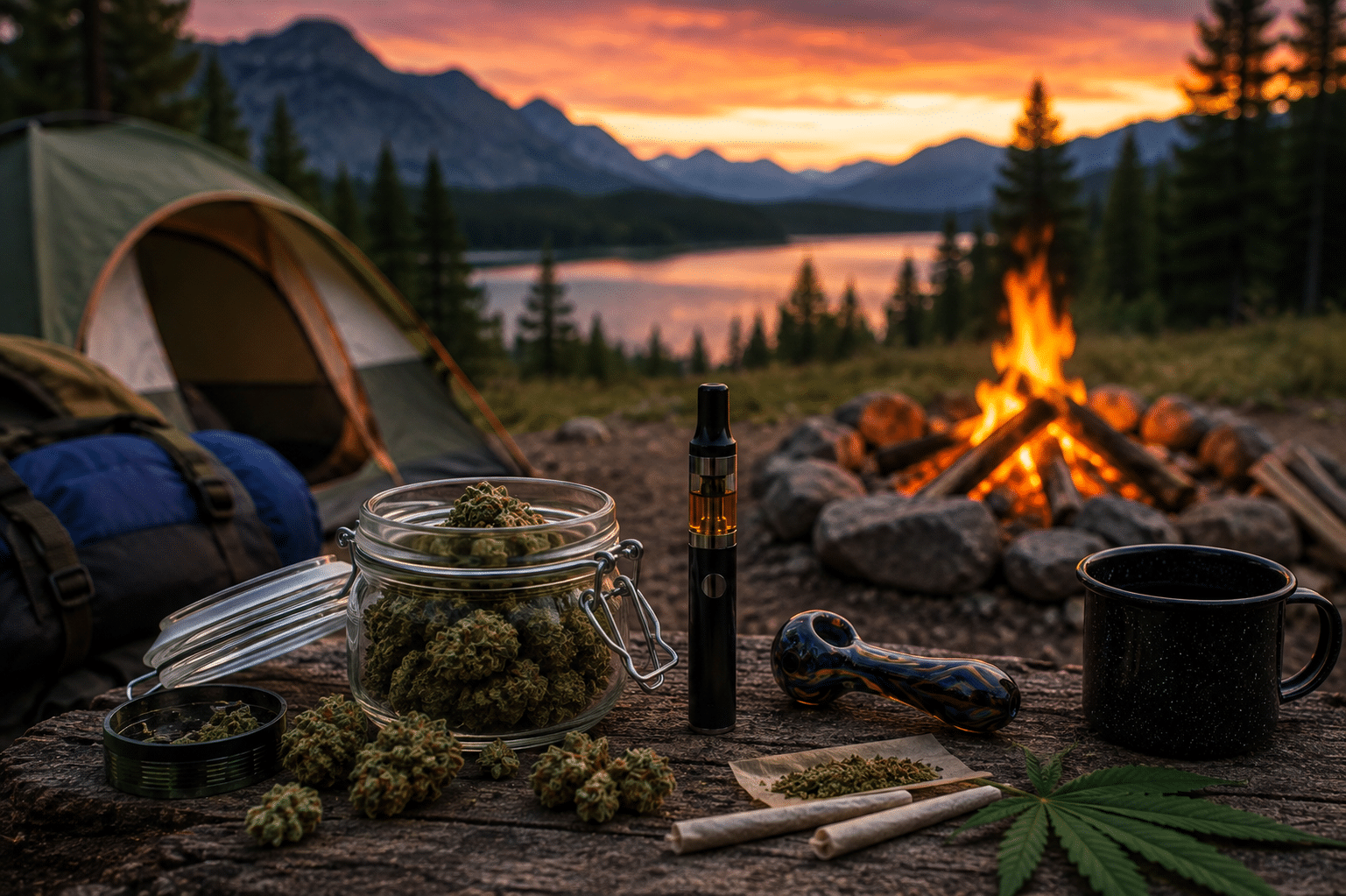
Avoid Mixing Cannabis and Alcohol
Alcohol is common at some camping trips, but combining it with cannabis can significantly increase impairment.
The combination may contribute to dizziness, nausea, poor coordination, confusion, and reduced judgment.
Those effects can become especially problematic outdoors, where fire, uneven terrain, water, and wildlife may already present hazards.
Choosing one intoxicant rather than combining several can make effects easier to predict.
Hydration is also important, particularly during hot-weather camping.
Keep plenty of water available throughout your trip.
Benefits of Responsible Cannabis and Camping
When cannabis is legal, permitted at the campsite, and consumed responsibly by adults, some people find it complements recreational downtime in nature.
Potential reasons adults enjoy the combination include relaxation after completing the day’s activities, enhanced appreciation of music or scenery, socializing with friends, and adding variety to a quiet evening.
Cannabis may also encourage some consumers to slow down and enjoy simple activities such as watching a sunset or sitting beneath the stars.
However, these experiences are subjective.
Cannabis shouldn’t be considered necessary for enjoying nature, and stronger intoxication doesn’t necessarily produce a better camping experience.
Moderation can be especially valuable in unfamiliar outdoor environments.
Pack Out What You Bring In
Responsible camping means leaving your campsite in good condition.
Cannabis packaging, cartridges, disposable vape devices, rolling papers, filters, and other waste should never be abandoned outdoors.
Vape devices containing batteries require particularly responsible disposal and should not simply be thrown into a campfire.
Follow local waste and recycling guidance.
Before leaving camp, inspect your site carefully for small pieces of packaging and other debris.
The principle is simple: leave the outdoor environment as clean—or cleaner—than you found it.
Final Thoughts on Cannabis and Camping
Cannabis and Camping can complement each other for responsible adults who approach the experience with preparation and respect for their surroundings.
The priorities should always be safety, legality, moderation, and environmental responsibility.
Check campground regulations before travelling. Choose familiar cannabis products appropriate for your tolerance. Avoid cannabis before driving, swimming, boating, challenging hikes, or activities involving fire and tools. Store products securely away from children and wildlife, and respect neighbouring campers who may not consume cannabis.
For Canadian adults researching cannabis products for their recreational plans, Low Price Bud is one online destination where consumers may encounter a range of cannabis flower, vapes, concentrates, and edibles. Before purchasing from Low Price Bud or any online dispensary, verify that the retailer and products comply with the cannabis laws applicable in your province or territory.
Ultimately, a successful Cannabis and Camping experience isn’t about getting as intoxicated as possible. It’s about enjoying nature responsibly. With sensible planning, careful product choices, and respect for the outdoors, adults can keep their camping adventure comfortable, memorable, and safe.