
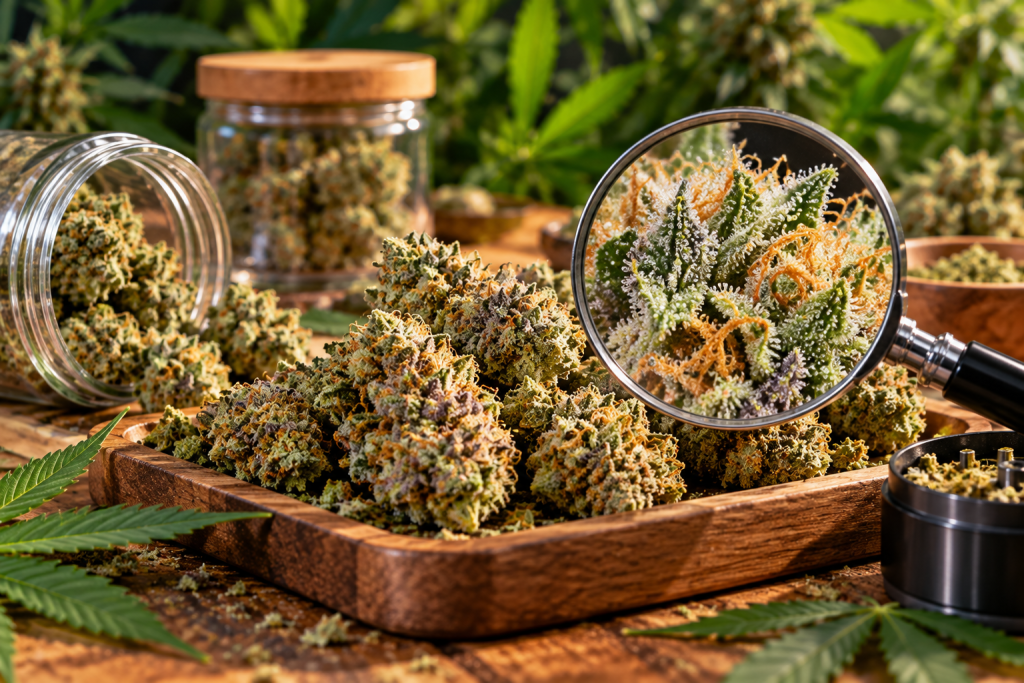
Freshness can make a noticeable difference in the quality of cannabis flower. Properly stored cannabis typically retains more of its characteristic aroma, texture, terpene profile, and overall sensory qualities, while old or poorly stored flower may become dry, brittle, bland, or unpleasant. More importantly, cannabis that has been exposed to excessive moisture or unsuitable storage conditions may develop mold and should not be consumed.
Learning How to Tell If Weed Is Fresh is therefore useful for anyone purchasing or storing cannabis flower. While appearance is a good starting point, freshness is better evaluated by considering several characteristics together, including aroma, texture, trichomes, moisture, color, and storage history.
This guide explains what to look for before consuming cannabis and how proper storage can help maintain flower quality for longer.
Why Cannabis Freshness Matters
Cannabis flower begins changing after harvesting. Drying and curing are intentional parts of production, but the flower continues to age afterward.
Over time, exposure to oxygen, heat, light, and inappropriate humidity can alter cannabinoids and terpenes. Terpenes are particularly important because they contribute to the recognizable aromas associated with different cultivars, including citrus, fruit, pine, earth, fuel, herbs, and spice.
Freshness can therefore influence aroma and flavor significantly.
Texture also changes. Cannabis that becomes excessively dry may crumble into powder when handled. Flower stored with excessive moisture, meanwhile, can create conditions favorable to mold.
Knowing How to Tell If Weed Is Fresh is consequently about both product quality and avoiding visibly compromised cannabis.
Examine the Appearance of the Bud
Start with a visual inspection under good lighting.
Healthy cannabis flower comes in many colors. Green is common, but some cultivars naturally display purple, orange, reddish, or other tones. Color alone doesn’t establish freshness because genetics have a substantial influence on appearance.
Instead, look at the overall condition of the flower.
Fresh, properly cured buds should generally retain recognizable structure rather than appearing completely crushed or disintegrated. Extremely brown, faded, or lifeless-looking flower may indicate age or poor storage, although appearance should always be considered alongside other indicators.
Pay particular attention to unusual white, gray, or fuzzy patches. These may indicate mold rather than normal cannabis trichomes.
When something looks suspicious, avoiding consumption is safer than attempting to remove only the affected portion.
Check the Trichomes
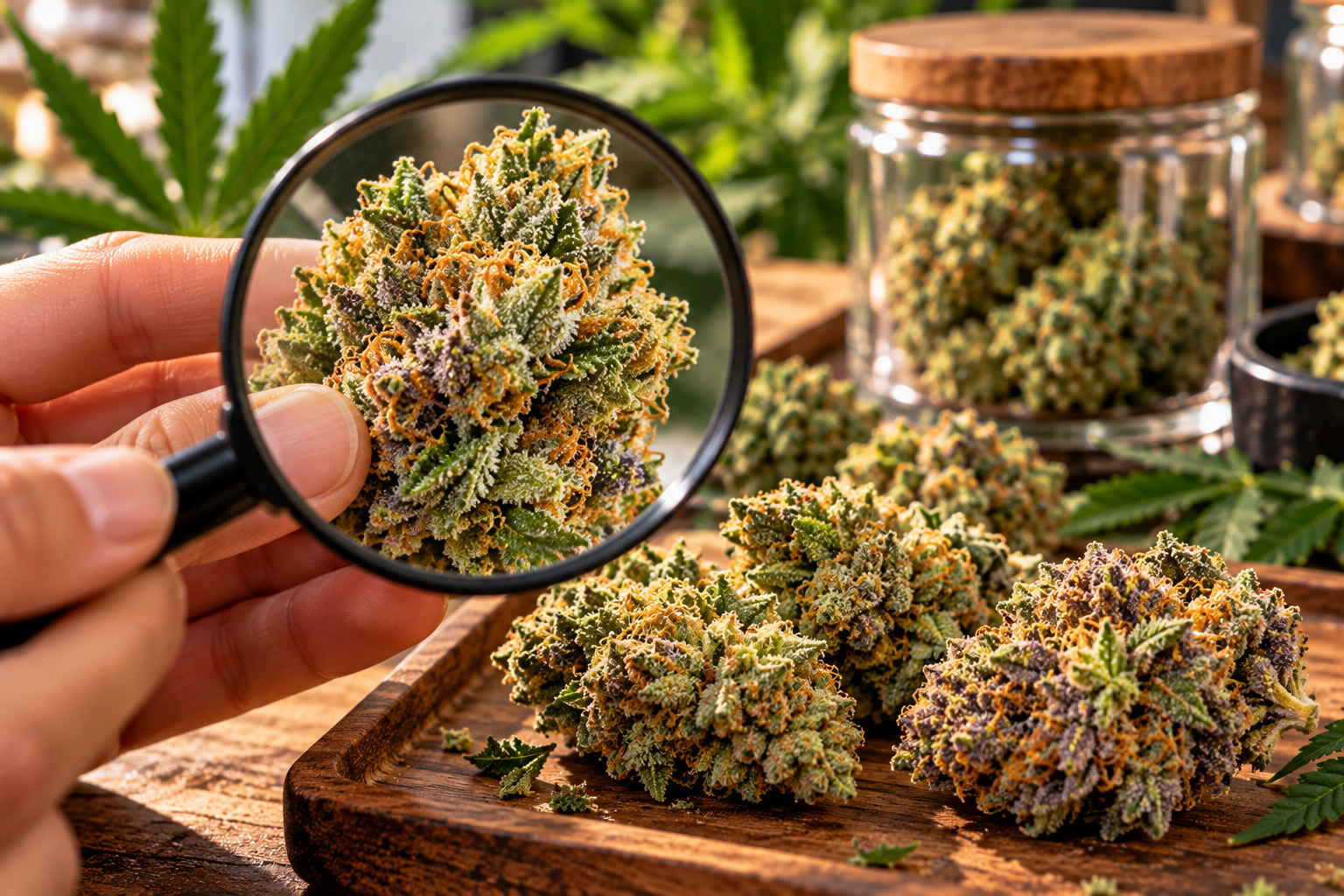
Trichomes are the tiny resin-producing structures covering cannabis flowers and surrounding plant material.
Under magnification, they can resemble miniature translucent or cloudy mushroom-shaped glands. They contain many of the cannabinoids and terpenes responsible for cannabis’s chemical and aromatic characteristics.
Quality flower may appear frosty because of abundant trichomes.
However, knowing How to Tell If Weed Is Fresh requires understanding that trichome quantity isn’t the same thing as freshness. Some cultivars naturally produce more visible resin than others.
Instead, look for flower that appears reasonably intact. Excessive handling, age, and poor storage can cause delicate trichomes to break away.
A frosty appearance can be a positive quality indicator, but it should be considered alongside aroma, moisture, and texture.
Smell the Cannabis
Aroma is one of the most useful freshness indicators.
Fresh cannabis typically has a recognizable scent determined by its terpene profile. Depending on genetics, that could mean notes of citrus, berries, tropical fruit, pine, flowers, herbs, earth, pepper, fuel, or sweetness.
The aroma doesn’t need to be overwhelmingly strong to indicate quality.
Old cannabis may smell muted, stale, dusty, or similar to dried grass or hay. This can happen as aromatic compounds gradually degrade or evaporate.
Unusual musty or mildew-like odors deserve particular attention. They may indicate unsuitable storage or microbial contamination.
If you’re learning How to Tell If Weed Is Fresh, don’t rely solely on whether the flower smells “strong.” Ask whether its aroma seems clean, characteristic, and free from suspicious mustiness.
Perform a Gentle Texture Check
Texture provides another useful clue.
Properly cured flower generally has some resilience when gently handled. It shouldn’t feel soaking wet or unusually damp, but it also shouldn’t instantly disintegrate into powder with minimal pressure.
Extremely dry cannabis often becomes brittle. Small leaves may snap immediately, and the entire bud can crumble excessively when touched.
At the opposite extreme, unusually wet flower can be problematic as well.
A bud that feels excessively moist, spongy, or damp may not have been adequately dried or may have been stored under unsuitable conditions.
The goal is balance: appropriately cured flower rather than bone-dry or wet cannabis.
Fresh Weed vs Overly Dry Weed
Dry cannabis isn’t necessarily spoiled, but it may have lost some desirable characteristics.
As cannabis loses moisture, volatile terpenes can diminish. This may result in less pronounced aroma and flavor. Extremely dry material also becomes fragile, making trichome loss easier during handling.
This distinction is important when discussing How to Tell If Weed Is Fresh.
A dry bud that smells relatively weak isn’t automatically unsafe. It may simply be old or poorly stored. Moldy cannabis presents a different concern and should not be consumed.
Rather than judging flower exclusively by dryness, consider aroma, appearance, storage conditions, and evidence of contamination together.
Watch for Signs of Mold
Mold is one of the most important warning signs to recognize.
Cannabis mold may appear as fuzzy white, gray, or unusual powdery growth. It can sometimes be difficult to distinguish from trichomes without closer inspection.
Trichomes generally look crystalline and resinous. Mold can appear web-like, fuzzy, cottony, or irregular.
Odor can provide another warning sign. A musty, damp-basement-like smell is very different from the naturally earthy aroma some cannabis cultivars produce.
Do not attempt to make visibly moldy cannabis safe by simply removing the affected area. Fungal growth may extend beyond what is immediately visible.
When in doubt about contamination, don’t consume the product.
Look at the Stems
Stems can provide supporting information about moisture levels, although they aren’t a perfect freshness test.
Very dry stems may snap sharply when bent. Extremely moist stems may bend considerably without breaking.
Cannabis flower itself provides more useful information than the stem alone because stem thickness and moisture can naturally vary.
For this reason, the stem test should be treated as one piece of evidence rather than a definitive rule.
When evaluating How to Tell If Weed Is Fresh, combine stem behavior with the condition of the bud, aroma, trichomes, and overall texture.
Consider the Terpene Profile
Terpenes aren’t merely responsible for making cannabis smell pleasant. They are an important component of the plant’s chemical profile.
Common cannabis terpenes include myrcene, limonene, pinene, caryophyllene, and linalool, among many others.
Because these compounds are volatile, poor storage can gradually reduce their presence. Excessive heat and prolonged exposure to air can be particularly damaging to aromatic quality.
This explains why older flower can look relatively normal while smelling much less distinctive than it once did.
A well-preserved terpene profile is therefore one of the benefits associated with properly stored, fresh cannabis.
Check Packaging and Product Information
When purchasing packaged cannabis, don’t ignore the information provided with the product.
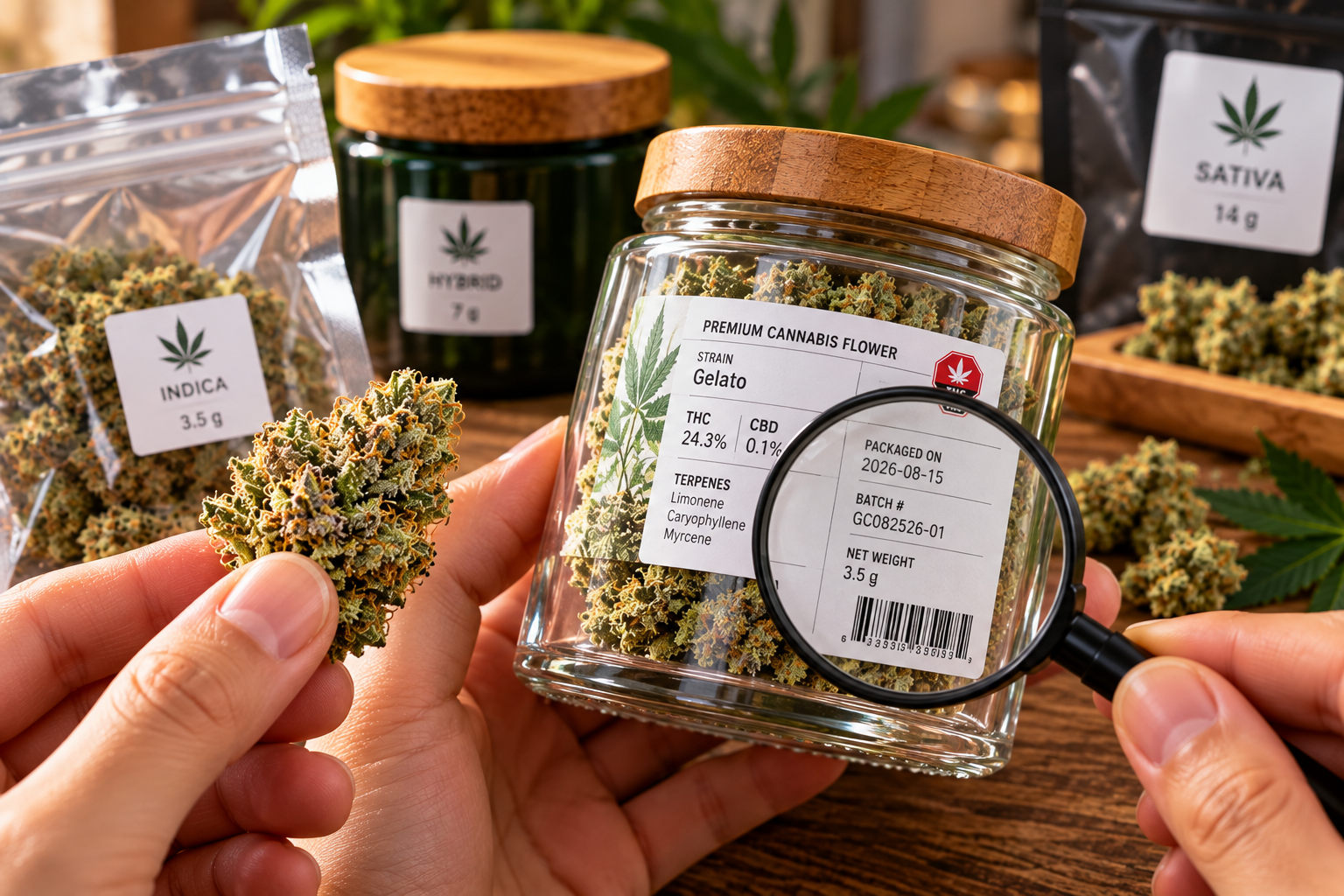
Where available, check packaging or production dates and other batch information. A newer package isn’t automatically better because curing and storage conditions also matter, but dates provide useful context.
Packaging itself matters too.
A properly sealed container can reduce unnecessary exposure to oxygen and environmental changes. Damaged, poorly sealed, or inappropriate packaging may accelerate deterioration.
Transparent cannabinoid and terpene information can also help consumers understand what they’re buying rather than judging quality solely by THC percentage.
High THC does not automatically mean fresh or high-quality cannabis.
How to Keep Weed Fresh
Understanding How to Tell If Weed Is Fresh becomes much more useful when combined with appropriate storage.
Cannabis should generally be protected from excessive heat, direct light, unnecessary air exposure, and extreme humidity. Airtight glass containers are commonly used because they provide a stable environment without transferring strong odors or flavors to the flower.
Store containers in a cool, dark location rather than on a sunny windowsill or beside a heat source.
Avoid repeatedly leaving containers open for extended periods. Every opening exposes the contents to fresh air and environmental changes.
Humidity also requires balance. Conditions that are excessively dry can accelerate moisture loss, while excessive humidity can increase microbial risks.
The objective is preservation—not making cannabis artificially wet.
Benefits of Choosing Fresh Cannabis
Freshness provides several practical benefits.
One of the most obvious is aroma. Properly stored flower is more likely to retain the terpene characteristics associated with its cultivar.
Texture is another advantage. Fresh, appropriately cured cannabis tends to be easier to handle than flower that has become excessively brittle and powdery.
Preservation also helps maintain the product closer to the condition intended by the producer.
Perhaps most importantly, learning to inspect cannabis encourages consumers to identify warning signs such as mold, unusual moisture, or damaged packaging before use.
Freshness is therefore not simply about aesthetics. It’s part of evaluating overall product quality.
Common Signs Your Weed May Be Too Old
If you’re still wondering How to Tell If Weed Is Fresh, consider the complete picture rather than searching for a single definitive test.
Older or poorly preserved cannabis may have little remaining aroma, feel excessively brittle, crumble unusually easily, appear faded, or lack the sensory characteristics expected from the cultivar.
None of these indicators individually proves that cannabis is unsafe.
Mold, suspicious growth, or abnormal musty odors are more concerning and should be treated differently from simple dryness or age.
When several indicators of deterioration appear together, replacing the product may be preferable to consuming something of questionable condition.
Final Thoughts
Learning How to Tell If Weed Is Fresh comes down to using your senses and evaluating several characteristics together. Look at the flower’s structure and color, examine its trichomes, smell its terpene profile, gently evaluate its texture, and check for unusual moisture or potential mold.
Fresh cannabis should generally retain a recognizable aroma and balanced texture without appearing excessively damp or completely brittle. Proper storage in a sealed container away from heat, excessive light, and inappropriate humidity can help preserve these qualities.
For legal-age consumers purchasing cannabis where online sales are permitted, Low Price Bud can be considered as an online destination for exploring cannabis flower and related products. When choosing flower, prioritize freshness, clear product information, appropriate packaging, cultivar characteristics, and quality assurance rather than judging cannabis solely by THC percentage or appearance.