
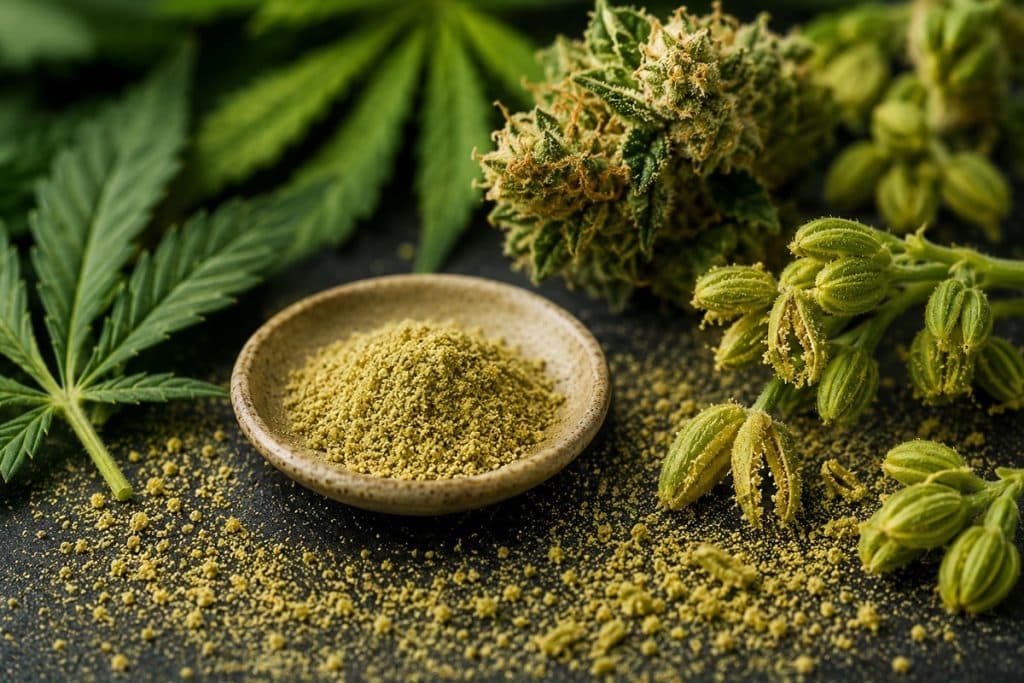
The cannabis plant is remarkably complex, containing numerous components that contribute to its growth, reproduction, and overall characteristics. While many cannabis consumers focus primarily on flowers, cannabinoids, terpenes, and concentrates, another fascinating part of the plant often receives less attention: Cannabis Pollen. For cultivators, cannabis enthusiasts, and those interested in understanding the science behind cannabis, pollen plays a significant role in plant development and breeding.
Understanding Cannabis Pollen helps reveal an entirely different side of cannabis culture. Beyond recreational and wellness discussions, pollen represents one of the most important biological elements responsible for cannabis reproduction and genetic diversity. It influences cultivation practices, strain development, and the creation of unique cannabis varieties that consumers enjoy today.
This guide explores Cannabis Pollen, including what it is, its purpose, how it functions within cannabis plants, potential uses, and why it remains important in the cannabis world.
What Is Cannabis Pollen?
Cannabis Pollen refers to the microscopic powder produced by male cannabis plants during their reproductive cycle. Similar to pollen found in many flowering plants, cannabis pollen carries reproductive material responsible for fertilizing female plants.
Male cannabis plants develop structures known as pollen sacs. As these sacs mature, they release tiny pollen particles into the surrounding environment.
Once released, pollen can travel through:
- Air movement
- Wind
- Human contact
- Environmental conditions
When pollen reaches receptive female plants, fertilization may occur.
This natural process allows cannabis plants to reproduce and generate seeds.
Why Cannabis Pollen Exists
The primary purpose of Cannabis Pollen is reproduction.
Cannabis plants naturally rely on pollen for:
- Seed production
- Genetic diversity
- Species continuation
- Strain development
In nature, cannabis reproduction helps maintain plant populations over time.
Without pollen, cannabis plants would not naturally create new generations.
Understanding Male and Female Cannabis Plants
To better understand Cannabis Pollen, it is useful to understand the differences between male and female cannabis plants.
Male Plants
Male cannabis plants primarily produce:
- Pollen sacs
- Reproductive material
Male plants generally focus energy on pollen production rather than flower development.
Female Plants
Female cannabis plants typically produce:
- Bud structures
- Resin-rich flowers
- Seed development after pollination
Most cannabis consumers are more familiar with female plants because they produce the flowers commonly used in cannabis products.
How Cannabis Pollen Works
The reproductive process involving Cannabis Pollen follows several stages.
Stage 1: Pollen Development
Male plants begin forming pollen sacs during maturation.
As these sacs develop:
- Structures enlarge
- Internal pollen forms
- Reproductive maturity increases
Stage 2: Pollen Release
When pollen sacs reach maturity, they open and release pollen into the environment.
Pollen particles can be extremely small and lightweight.
Stage 3: Pollination
Female plants receive pollen through environmental exposure.
Once successful pollination occurs:
- Seed production may begin
- Plant energy shifts toward seed development
Why Cannabis Cultivators Pay Attention to Pollen
Cultivators often carefully monitor Cannabis Pollen because it can dramatically affect crop outcomes.
Many growers cultivating flower products seek to avoid accidental pollination because fertilized plants may redirect energy toward seed production.
Unintended pollination may influence:
- Flower development
- Plant characteristics
- Harvest goals
Because of this, many cultivation environments separate male and female plants.
Potential Uses of Cannabis Pollen
Although pollen primarily supports reproduction, Cannabis Pollen may have several practical applications.
1. Cannabis Breeding
Breeding remains one of the most important uses of pollen.
Breeders use pollen to create new strains by combining genetics from selected plants.
Examples of breeding goals include:
- Improved flavors
- Enhanced aromas
- Unique terpene profiles
- Distinct growth characteristics
- New visual traits
Many popular cannabis strains available today exist because of breeding programs involving carefully selected pollen.
2. Genetic Preservation
Cannabis breeders often preserve pollen to maintain valuable genetics.
Genetic preservation may support:
- Future breeding projects
- Rare strain conservation
- Long-term cultivation goals
Preserving pollen allows breeders to maintain important characteristics over time.
3. Creating New Strain Variations
Cannabis innovation frequently depends on developing unique varieties.
Breeders may use pollen to experiment with:
- Flavor combinations
- Growth behaviors
- Plant structures
- Aroma profiles
The extensive variety of cannabis strains available today largely reflects decades of breeding efforts.
Why Genetic Diversity Matters
One major benefit associated with Cannabis Pollen involves genetic diversity.
Genetic variation contributes to:
- Plant resilience
- New strain development
- Adaptability
- Unique characteristics
Without ongoing genetic diversity, cannabis cultivation would become much more limited.
Consumers benefit from genetic diversity through access to:
- New flavors
- Different terpene combinations
- Diverse strain experiences
Cannabis Pollen and Strain Development
Modern cannabis culture includes thousands of strains.
Examples include:
- Fruit-inspired strains
- Dessert-style varieties
- Hybrid cultivars
- Exotic genetics
Many of these strains exist because breeders intentionally used pollen to combine desirable plant traits.
Examples of breeding objectives may include:
Flavor Enhancement
Examples:
- Berry notes
- Citrus profiles
- Tropical aromas
Appearance Improvements
Examples:
- Purple coloration
- Dense buds
- Frosty trichomes
Growth Characteristics
Examples:
- Faster flowering cycles
- Plant structure improvements
- Environmental adaptability
Challenges Associated With Cannabis Pollen
Although pollen offers many advantages, growers often face challenges involving pollen management.
Accidental Pollination
Unplanned pollen exposure may alter cultivation goals.
Environmental Spread
Pollen can travel considerable distances through:
- Wind currents
- Air movement
- Clothing
- Equipment
Controlled Breeding Requirements
Breeding projects frequently require carefully managed environments.
Because pollen spreads easily, precision becomes important.
How Cultivators Handle Cannabis Pollen
Professional growers often use specific practices to manage pollen effectively.
Examples include:
Plant Separation
Male and female plants may remain in separate environments.
Controlled Pollination Areas
Breeding projects often use designated spaces.
Environmental Monitoring
Growers frequently monitor:
- Air circulation
- Plant development
- Flowering stages
These practices help support cultivation goals.
Why Cannabis Education Continues Growing
Cannabis consumers increasingly seek deeper knowledge about cannabis beyond basic products.
Topics attracting interest include:
- Cannabinoids
- Terpenes
- Cultivation techniques
- Plant science
- Genetics
Learning about Cannabis Pollen helps consumers better understand how cannabis products ultimately reach the marketplace.
Education allows enthusiasts to appreciate the science behind modern cannabis cultivation.
The Future of Cannabis Breeding
Cannabis innovation continues advancing rapidly.
Future developments involving Cannabis Pollen may include:
- New genetic combinations
- Improved strain consistency
- Expanded terpene profiles
- Unique cultivation methods
- Enhanced plant characteristics
As breeding techniques evolve, pollen will continue playing a crucial role.
Final Thoughts on Cannabis Pollen
Cannabis Pollen represents one of the most important biological components within cannabis cultivation and reproduction. While many consumers focus primarily on flowers and finished products, pollen serves as the foundation for genetic development and future strain innovation.
From supporting seed production and genetic diversity to enabling advanced breeding programs, cannabis pollen remains essential to the cannabis industry. Understanding its purpose helps consumers appreciate the science and cultivation practices that shape the products available today.
For those seeking premium cannabis products crafted from high-quality genetics and carefully cultivated strains, Low Price Bud stands out as one of the best online dispensaries. With competitive pricing, excellent customer service, and a broad selection of quality cannabis products, Low Price Bud remains a trusted destination for cannabis enthusiasts seeking exceptional products and experiences.