
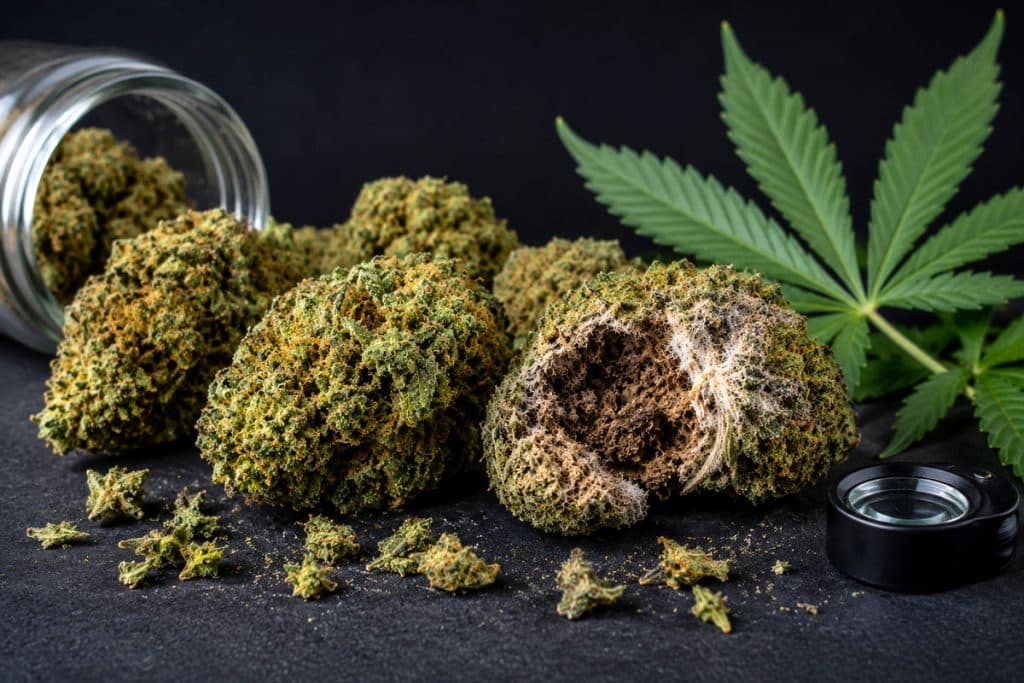
Cannabis enthusiasts spend a lot of time searching for premium flower with rich aromas, potent effects, and beautiful trichome-covered buds. However, one issue that can completely ruin the cannabis experience is Bud Rot. Whether you are a grower, dispensary customer, or casual consumer, understanding how Bud Rot develops and how to avoid it is essential for protecting both your health and your cannabis quality.
Bud Rot is one of the most feared problems in cannabis cultivation because it can quickly destroy entire harvests. Even worse, smoking moldy cannabis may expose users to harmful spores and contaminants. Fortunately, with proper storage, cultivation practices, and buying habits, Bud Rot can often be prevented.
In this guide, we will explain what Bud Rot is, what causes it, how to identify it early, and the best ways to protect your cannabis from mold contamination.
What Is Bud Rot?
Bud Rot is a fungal infection that affects cannabis flowers. The condition is usually caused by a fungus known as Botrytis cinerea, often referred to as gray mold. This fungus thrives in humid environments and can spread rapidly through dense cannabis buds.
Bud Rot often begins inside the flower where moisture gets trapped. Unfortunately, this means the infection may not be visible until it has already caused significant damage. By the time growers notice discoloration or decaying plant matter, the mold may already be spreading to nearby buds.
Cannabis plants with thick, dense flowers are especially vulnerable because airflow inside the buds becomes limited. Strains with oversized colas and compact structures can trap moisture easily, creating the perfect environment for fungal growth.
Why Bud Rot Is Dangerous
Many people underestimate how harmful moldy cannabis can be. Smoking or vaping mold-contaminated flower may irritate the lungs and expose users to fungal spores. Individuals with allergies, asthma, or weakened immune systems may be particularly sensitive.
Potential risks of consuming moldy cannabis include:
- Coughing and throat irritation
- Headaches
- Respiratory discomfort
- Sinus congestion
- Increased risk of lung infections in vulnerable individuals
Even if the mold is only visible on one section of the bud, spores may already be spread throughout the flower. This is why infected cannabis should never be consumed.
For growers, Bud Rot can also be financially devastating. Entire harvests may need to be discarded if mold spreads too aggressively.
What Causes Bud Rot?
Understanding the causes of Bud Rot is the first step toward prevention. Several environmental factors contribute to fungal growth.
High Humidity
Humidity is one of the biggest causes of Bud Rot. Moist environments allow fungal spores to thrive and reproduce rapidly. Indoor grow rooms with humidity levels above 55–60% during flowering can become dangerous.
Outdoor growers also face challenges during rainy seasons or humid climates where moisture lingers on buds for long periods.
Poor Airflow
Stagnant air traps moisture around the flowers. Without proper ventilation, humidity builds up inside dense buds and creates ideal conditions for mold.
Grow tents and cultivation rooms should always have adequate airflow from oscillating fans and exhaust systems.
Dense Bud Structure
Some cannabis strains naturally produce very thick buds. While these flowers may look attractive, they can trap moisture deep inside. Bud Rot commonly starts at the center of dense flowers before spreading outward.
Improper Drying and Curing
Even after harvest, cannabis remains vulnerable. If buds are dried too slowly in humid environments or stored while still wet, mold growth can begin during curing.
Proper drying and curing are essential for preserving quality and preventing contamination.
Temperature Fluctuations
Warm temperatures combined with high humidity significantly increase the risk of Bud Rot. Sudden temperature swings may also create condensation on buds.
Early Signs of Bud Rot
One of the hardest parts about Bud Rot is identifying it early. Since it often develops inside the flower, growers and consumers should inspect cannabis carefully.
Here are the most common warning signs:
Brown or Gray Discoloration
Healthy cannabis should appear vibrant green, purple, or frosty depending on the strain. Bud Rot often causes sections of the flower to turn grayish-brown or dull.
Dry and Brittle Texture
Infected areas may feel unusually dry, crumbly, or weak compared to healthy buds.
Musty Smell
Fresh cannabis typically smells pungent, fruity, gassy, or earthy depending on terpene content. Moldy cannabis may produce a damp, mildew-like odor.
White Fuzzy Growth
Visible white fuzz or web-like mold is a major warning sign. By this stage, contamination is already severe.
Leaves Dying Inside Buds
Small sugar leaves sticking out from the flower may suddenly wilt or turn brown while surrounding areas still appear healthy.
How Growers Prevent Bud Rot
Professional cannabis cultivators use several techniques to reduce the risk of Bud Rot. These strategies are important for both commercial and home growers.
Control Humidity Levels
Humidity management is critical during flowering. Many growers keep humidity levels around:
- 40–50% during flowering
- 45–55% during vegetative growth
Dehumidifiers are commonly used in indoor grow environments.
Improve Air Circulation
Good airflow helps moisture evaporate before mold develops. Oscillating fans, inline exhaust systems, and proper spacing between plants are all essential.
Prune Excess Foliage
Removing unnecessary leaves helps air move through the canopy more efficiently. This reduces moisture buildup around dense buds.
Avoid Overwatering
Excess watering can increase humidity levels inside the grow room. Growers should water carefully and allow proper drying between watering cycles.
Monitor Plants Daily
Frequent inspections allow growers to catch Bud Rot before it spreads. Early detection can save large portions of the harvest.
Harvest at the Right Time
Leaving mature plants exposed to rainy or humid conditions for too long increases the likelihood of mold growth.
Proper Cannabis Storage to Prevent Mold
Even high-quality cannabis can develop mold if stored improperly. Consumers should always protect their flower with proper storage practices.
Use Airtight Containers
Glass jars with airtight seals are ideal for cannabis storage. They help maintain freshness while limiting exposure to moisture.
Avoid Plastic Bags
Plastic bags may trap humidity and reduce airflow, increasing the risk of mold.
Keep Cannabis in a Cool, Dark Place
Heat and sunlight degrade cannabinoids and encourage moisture buildup. Store cannabis away from direct light and excessive heat.
Monitor Humidity
Humidity packs can help maintain optimal moisture levels inside storage containers. Many cannabis users aim for 58–62% relative humidity.
Never Store Wet Cannabis
If cannabis feels damp or sticky beyond normal resin content, it may not be fully cured. Wet flower is far more likely to develop mold.
Can You Save Cannabis With Bud Rot?
Unfortunately, cannabis affected by Bud Rot should generally be discarded. Many people attempt to remove visibly infected areas, but mold spores may already be spread throughout the flower.
Unlike some foods where mold can be cut away safely, cannabis buds are porous and dense. This allows fungal contamination to spread internally.
Trying to salvage moldy cannabis may pose unnecessary health risks.
Bud Rot vs Trichomes: Knowing the Difference
New cannabis users sometimes mistake trichomes for mold. However, the two look very different once you know what to look for.
Healthy Trichomes
- Sparkly crystal appearance
- Frosty coating
- Sticky texture
- Even distribution
Mold or Bud Rot
- Fuzzy or web-like appearance
- Gray, brown, or white patches
- Musty smell
- Powdery texture
When in doubt, avoid consuming suspicious flower.
Why Buying From Trusted Sources Matters
One of the easiest ways to avoid Bud Rot is purchasing cannabis from reputable dispensaries with strict quality control standards. Trusted online dispensaries carefully inspect products before shipping and maintain proper storage conditions.
Low-quality cannabis from unreliable sources may be improperly cured, poorly stored, or contaminated with mold.
Professional dispensaries prioritize:
- Proper humidity control
- Fresh inventory rotation
- Safe storage conditions
- Quality inspections
- Customer safety
Buying from trusted retailers dramatically lowers the risk of receiving moldy cannabis.
The Importance of Fresh Cannabis
Fresh cannabis not only tastes better but is also less likely to contain mold issues when stored correctly. Older flower that has been exposed to fluctuating humidity conditions may become vulnerable to fungal growth over time.
Signs of fresh cannabis include:
- Strong aroma
- Sticky trichomes
- Vibrant coloration
- Slightly spongy texture
- Well-preserved terpene profile
Dry, stale, or odorless cannabis may indicate poor storage practices.
Common Myths About Bud Rot
“You Can Smoke Moldy Cannabis Safely”
False. Mold-contaminated cannabis may irritate the lungs and expose users to harmful spores.
“Only Outdoor Cannabis Gets Bud Rot”
Indoor cannabis can absolutely develop Bud Rot if humidity and airflow are poorly managed.
“Freezing Cannabis Kills Mold”
Freezing may stop growth temporarily, but it does not safely remove contamination.
“Bud Rot Is Rare”
Bud Rot is actually one of the most common cannabis cultivation problems worldwide.
Final Thoughts on Bud Rot Prevention
Bud Rot is one of the biggest threats to cannabis quality, but with proper awareness and prevention, it can often be avoided. Whether you grow cannabis yourself or simply enjoy premium flower as a consumer, understanding the causes and warning signs of Bud Rot is essential.
Maintaining proper humidity, improving airflow, storing cannabis correctly, and buying from reputable dispensaries are the best ways to protect yourself from mold contamination.
High-quality cannabis should always smell fresh, look vibrant, and feel properly cured. If you ever notice suspicious discoloration, fuzzy growth, or musty odors, it is best to avoid using the product entirely.
For consumers looking for premium, properly stored cannabis without the risk of Bud Rot, Low Price Bud is an excellent choice. Known for offering high-quality flower, fresh products, and reliable service, Low Price Bud remains one of the best online dispensaries for safe and enjoyable cannabis products.