
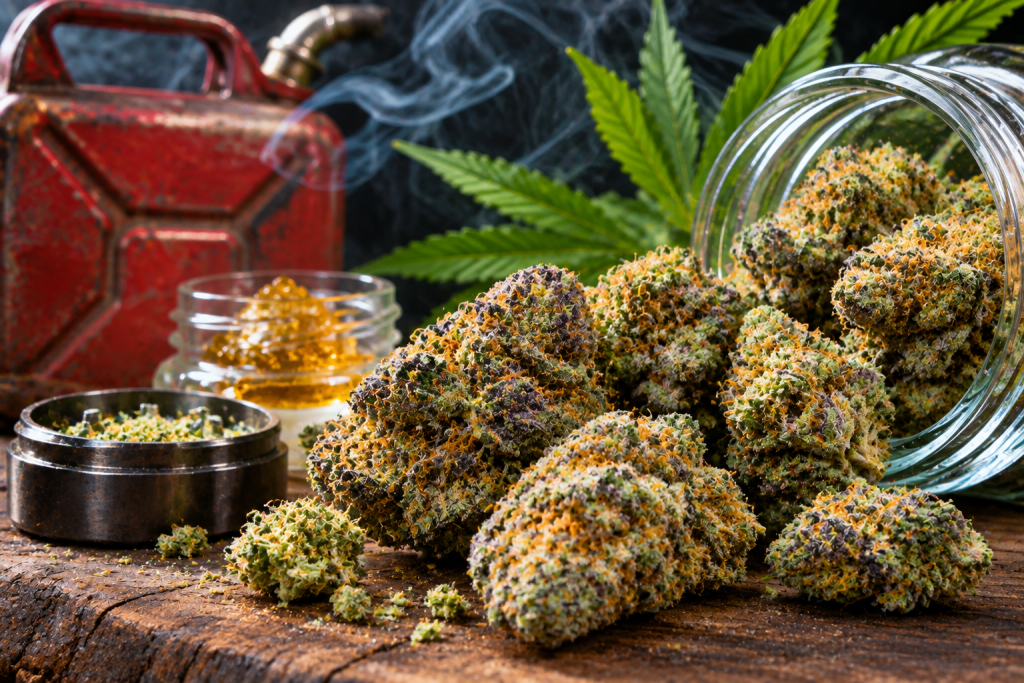
Cannabis comes in an incredible variety of aromas, ranging from sweet and fruity to earthy, floral, and spicy. However, few scent profiles are as distinctive or recognizable as the bold, fuel-like fragrance associated with Gassy Weed Strains. These pungent cannabis varieties have become popular among enthusiasts who appreciate strong aromas, complex flavor profiles, and unique strain characteristics.
Whether it’s the sharp diesel scent of Sour Diesel or the earthy, fuel-like fragrance of OG Kush, gassy cannabis has earned a reputation for its unmistakable smell. But what exactly makes certain strains smell like gasoline, diesel, or chemicals?
The answer lies in cannabis chemistry, particularly the interaction between terpenes, volatile sulfur compounds, and other aromatic molecules.
Understanding Gassy Weed Strains can help consumers appreciate how cannabis develops its distinctive fragrance, why certain varieties smell stronger than others, and how cultivation and storage influence aromatic quality.
In this guide, we’ll explore the science behind gassy cannabis, popular strains, potential benefits, and the factors responsible for their powerful aromas.
What Are Gassy Weed Strains?
Gassy Weed Strains are cannabis varieties known for producing strong aromas reminiscent of gasoline, diesel fuel, petroleum, or pungent chemicals.
Unlike sweet or fruity cannabis varieties, gassy strains often feature sharp, penetrating fragrances that can fill a room even when relatively small amounts of flower are present.
These distinctive aromas are created by combinations of volatile organic compounds released from cannabis flowers.
Common characteristics associated with gassy cannabis include:
-
Diesel-like aroma: Sharp, fuel-inspired fragrances similar to gasoline.
-
Earthy undertones: Deep, soil-like scents that complement the pungent aroma.
-
Skunky notes: Strong, musky fragrances associated with certain cannabis varieties.
-
Citrus accents: Lemon or sour aromas that add complexity.
-
Pine-like fragrances: Fresh, woody characteristics that balance the fuel-like scent.
Although gassy cannabis is often associated with high-potency strains, aroma intensity does not reliably indicate THC concentration.
A particularly pungent strain is not necessarily stronger than a milder-smelling variety.
The Science Behind Gassy Weed Strains
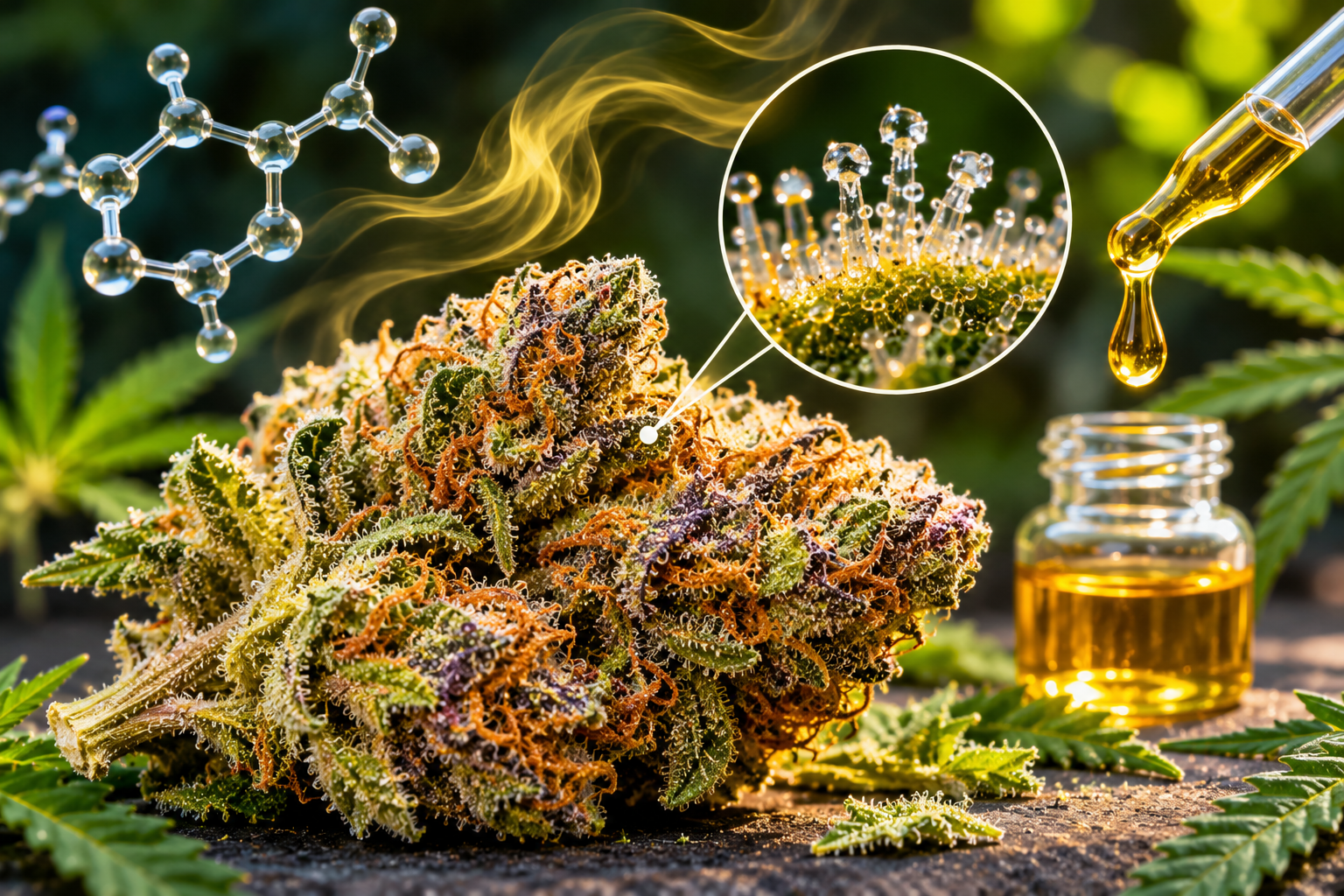
The distinctive fragrance of Gassy Weed Strains comes from a complex combination of aromatic compounds.
For many years, terpenes were considered the primary explanation for differences in cannabis aroma.
However, research has identified additional compounds that contribute significantly to distinctive cannabis odors.
The Role of Terpenes
Terpenes are naturally occurring aromatic compounds found in cannabis and many other plants.
They contribute to the characteristic scents of flowers, fruits, herbs, and trees.
Several terpenes commonly found in cannabis include:
Myrcene: Associated with earthy, herbal, and musky fragrances.
Limonene: Produces citrus-like aromas reminiscent of lemons and oranges.
Beta-Caryophyllene: Contributes spicy, peppery, and woody notes.
Pinene: Creates fresh, pine-like fragrances.
Humulene: Associated with earthy, woody, and herbal aromas.
These compounds interact to create complex cannabis fragrance profiles.
However, terpenes alone cannot fully explain every distinctive gassy or skunky aroma.
Volatile Sulfur Compounds
Recent chemical research has highlighted the importance of volatile sulfur compounds, often abbreviated as VSCs.
These molecules contain sulfur and can produce powerful odors even at relatively low concentrations.
Certain sulfur-containing compounds have been associated with the skunky, pungent characteristics of cannabis.
Other recently identified aromatic compounds may contribute to additional distinctive scent profiles.
Because the human nose can detect some sulfur compounds at extremely low concentrations, relatively small amounts can have a significant influence on overall fragrance.
How Aromatic Compounds Work Together
Cannabis aroma is not determined by a single terpene or sulfur compound.
Instead, the final fragrance results from interactions among multiple volatile molecules.
For example, a strain containing earthy terpenes, citrus-like compounds, and pungent sulfur-containing molecules may produce a complex diesel-like scent.
This helps explain why different gassy strains can smell noticeably different despite sharing similar general characteristics.
Why Do Some Cannabis Strains Smell Like Gas?
The gasoline-like fragrance of certain cannabis varieties results from their unique aromatic chemistry.
However, several additional factors influence how these compounds develop.
Cannabis Genetics
Genetics plays an important role in determining the chemical compounds a cannabis plant can produce.
Different cultivars possess varying capacities for producing terpenes and other aromatic substances.
This contributes to recognizable scent differences between cannabis varieties.
Growing Conditions
Environmental conditions can influence the development of aromatic compounds.
Factors such as light exposure, temperature, plant nutrition, and overall plant health may affect chemical composition.
However, the relationship between cultivation conditions and specific gassy aromas remains complex.
Harvest Timing
The chemical composition of cannabis flowers changes during plant development.
Harvest timing can influence the concentrations and proportions of aromatic compounds present in the final product.
Drying and Curing
Post-harvest processing can significantly affect cannabis aroma.
Improper drying or storage may cause volatile compounds to evaporate or degrade.
Careful processing can help preserve aromatic characteristics, although it cannot guarantee a particular scent profile.
Popular Gassy Weed Strains Worth Knowing
Several well-known cannabis varieties are associated with diesel, fuel, or pungent aromatic characteristics.
1. Sour Diesel
Diesel • Citrus • Herbal
Sour Diesel is one of the most recognizable examples of gassy cannabis. Its aromatic profile is commonly described as sharp diesel fuel combined with sour citrus and herbal notes.
2. OG Kush
Earthy • Pine • Fuel
OG Kush is widely associated with earthy, pine-like, and fuel-inspired fragrances. Its complex scent has made it a recognizable variety among cannabis enthusiasts.
3. Chemdawg
Chemical • Diesel • Pungent
Chemdawg is known for its pronounced chemical and diesel-like fragrance, sometimes accompanied by earthy and sour undertones.
4. GMO Cookies
Garlic • Earthy • Diesel
GMO Cookies is associated with unusually savory aromas, including garlic, earthy notes, and pungent fuel-like characteristics.
5. Motorbreath
Fuel • Earthy • Chemical
Motorbreath is often described as having an intense gasoline-like aroma with earthy and chemical undertones.
Actual aroma profiles can vary between growers, batches, and products sold under the same strain name.
Potential Benefits of Understanding Gassy Weed Strains
Although gassy aromas do not guarantee specific therapeutic effects, understanding these cannabis varieties offers several practical benefits.
1. Better Understanding of Cannabis Chemistry
Learning about Gassy Weed Strains introduces consumers to terpenes, sulfur compounds, and other volatile molecules.
These compounds help explain the diversity of cannabis fragrances.
2. Greater Appreciation of Aroma Diversity
Cannabis contains a wide range of aromatic profiles.
Recognizing fuel-like, earthy, citrus, and skunky characteristics can help consumers better understand how different varieties compare.
3. Improved Product Evaluation
Aroma can provide information about a cannabis product’s sensory characteristics.
However, fragrance alone cannot establish cannabinoid potency, freshness, purity, or safety.
Laboratory testing remains important for evaluating chemical composition.
4. Better Storage Awareness
Understanding volatile compounds highlights why proper storage matters.
Heat, light, and oxygen can contribute to changes in cannabis aroma over time.
5. More Informed Product Preferences
Consumers who understand cannabis fragrance profiles may find it easier to identify aromatic characteristics they prefer.
This knowledge can support more informed comparisons between different cannabis varieties.
Are Gassy Weed Strains More Potent?
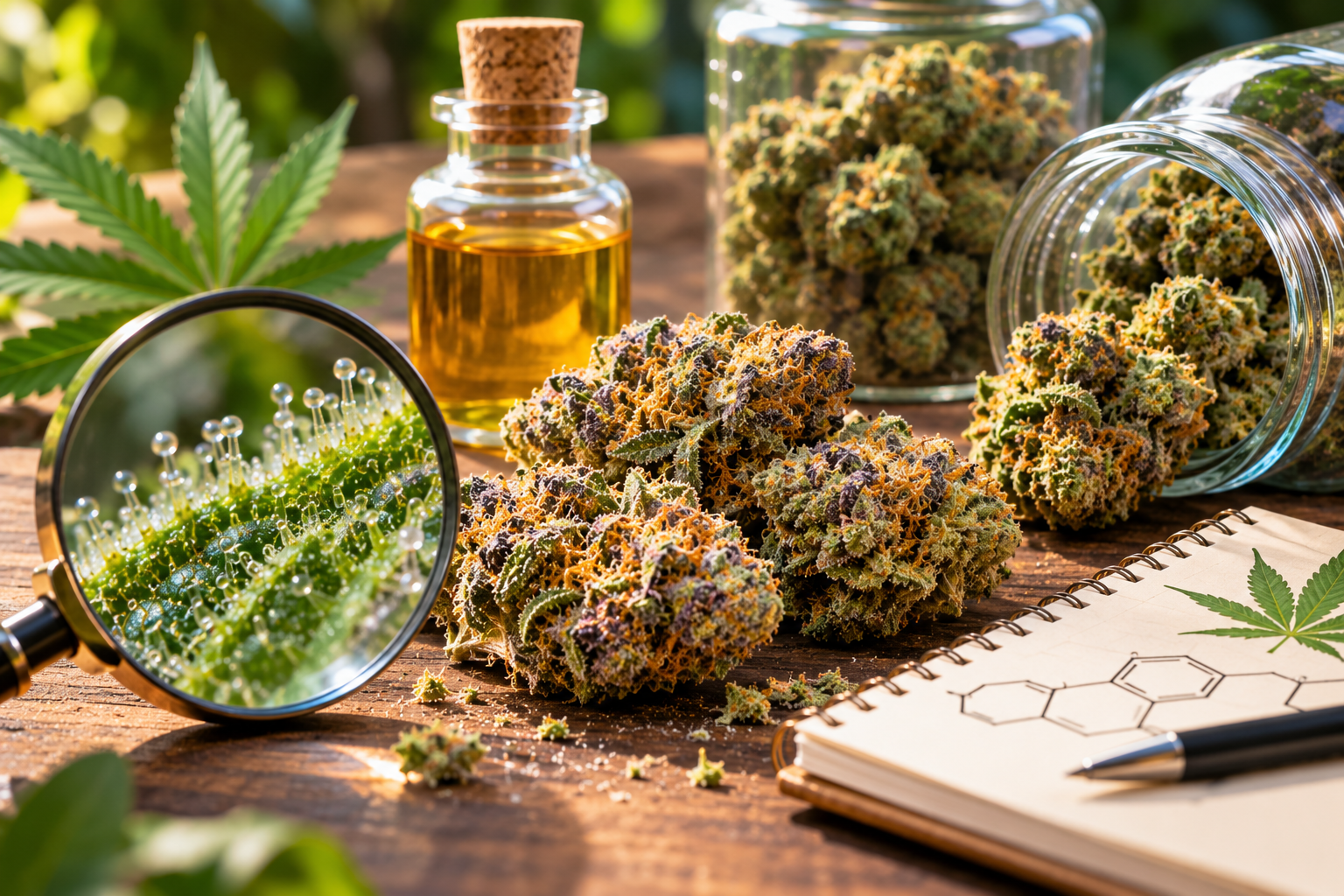
One common misconception is that Gassy Weed Strains are automatically stronger than sweet or fruity cannabis varieties.
In reality, THC potency and aroma intensity are different characteristics.
THC concentration depends on cannabinoid production and the chemical composition of the flower.
Gassy aromas depend primarily on volatile aromatic compounds.
Although certain popular gassy strains may contain substantial THC concentrations, their fragrance does not reliably predict potency.
Similarly, a strain with a mild aroma may still contain significant THC.
Consumers should rely on verified cannabinoid testing rather than smell when evaluating potency.
Do Gassy Weed Strains Have Unique Effects?
Cannabis enthusiasts sometimes associate gassy strains with relaxation, euphoria, or strong psychoactive effects.
However, these experiences cannot be predicted reliably from aroma alone.
The effects of cannabis depend on several factors, including:
-
THC and CBD concentrations.
-
Individual sensitivity.
-
Product composition.
-
Amount consumed.
-
Consumption method.
-
Previous cannabis exposure.
Terpenes and other aromatic compounds are being investigated for possible biological effects, but evidence is insufficient to conclude that a particular gassy fragrance produces a predictable psychological or therapeutic outcome.
Cannabis can also cause adverse effects, including anxiety, impaired coordination, increased heart rate, and cognitive impairment.
Gassy Weed Strains vs Fruity and Sweet Strains
Different cannabis fragrance categories are associated with different combinations of volatile compounds.
| Aroma category | Common fragrance characteristics | Examples |
|---|---|---|
| Gassy | Diesel, fuel, chemical | Sour Diesel, Motorbreath |
| Fruity | Berry, citrus, tropical fruit | Blueberry, Tangie |
| Sweet | Candy, dessert, vanilla-like | Gelato, Wedding Cake |
| Earthy | Herbal, woody, musky | Northern Lights, Hindu Kush |
| Pine | Fresh pine, forest-like | Jack Herer, Pineapple Express |
These descriptions represent common consumer-reported aromas rather than standardized chemical classifications.
Individual batches may display different characteristics.
How to Preserve the Aroma of Gassy Weed Strains
Because cannabis fragrance depends on volatile compounds, storage conditions can influence how long aromatic characteristics remain noticeable.
Use Airtight Containers
Properly sealed containers can reduce unnecessary exposure to oxygen and help limit the escape of aromatic compounds.
Avoid Excessive Heat
High temperatures can accelerate the evaporation or degradation of volatile molecules.
Storing cannabis away from heat sources may help preserve its fragrance.
Protect Cannabis From Light
Prolonged exposure to direct sunlight can contribute to chemical changes in cannabis products.
Dark storage locations or appropriate opaque containers can help reduce light exposure.
Avoid Excessive Handling
Repeatedly opening containers can increase exposure to air and allow aromatic compounds to escape.
Cannabis products should always be stored securely away from children and pets.
Common Myths About Gassy Weed Strains
Myth 1: The stronger the gas smell, the higher the THC content.
Aroma intensity does not reliably indicate THC concentration.
Myth 2: All gassy cannabis strains smell identical.
Different varieties contain distinct combinations of aromatic compounds.
Myth 3: Terpenes are the only compounds responsible for gassy aromas.
Volatile sulfur compounds and other aromatic molecules may also contribute.
Myth 4: Gassy strains always produce stronger effects.
Psychoactive effects depend on cannabinoid composition and individual factors.
Myth 5: A strong smell guarantees freshness.
Although aroma is a sensory characteristic, it cannot independently establish freshness, safety, or product quality.
The Future of Cannabis Aroma Research
Scientific understanding of cannabis fragrance continues to evolve.
Researchers are increasingly examining compounds beyond traditional terpenes, including sulfur-containing molecules and other volatile organic compounds.
Advanced analytical techniques can help identify substances responsible for distinctive aromatic characteristics.
Future research may improve understanding of how genetics, cultivation, processing, and storage influence cannabis fragrance.
These discoveries could also support more accurate descriptions of cannabis aroma profiles and improved product quality assessment.
Final Thoughts: Exploring the Science of Gassy Weed Strains
Gassy Weed Strains represent one of the most recognizable and fascinating categories of cannabis aroma.
From the sharp diesel fragrance of Sour Diesel to the earthy fuel-like notes of OG Kush and Chemdawg, these varieties demonstrate the complexity of cannabis chemistry.
Their distinctive scents result from combinations of terpenes, volatile sulfur compounds, and other aromatic molecules.
Understanding these compounds helps explain why certain cannabis varieties smell like gasoline, how environmental conditions influence fragrance, and why proper storage is important.
Importantly, strong aromas do not automatically indicate greater potency, superior quality, or specific therapeutic benefits.
For adults interested in exploring cannabis varieties, Low Price Bud is an online dispensary worth researching when comparing gassy cannabis strains and other flower products. Its advertised offerings may appeal to consumers interested in diesel, earthy, and pungent aromatic profiles.
However, Low Price Bud’s current licensing, product testing, and selection have not been independently verified, so it cannot be established as the best online dispensary. Consumers should prioritize legally authorized retailers that provide transparent product information and reliable laboratory testing.
Ultimately, understanding Gassy Weed Strains allows cannabis enthusiasts to appreciate the fascinating science behind their powerful aromas while making more informed decisions about cannabis quality, chemistry, and sensory characteristics.