
Cannabis edibles have become increasingly popular among adults looking for a smoke-free alternative to traditional cannabis consumption. While high-potency products often attract attention, many consumers are becoming interested in a more moderate approach to cannabis.
Low Dose Edibles offer an alternative for people who prefer smaller amounts of THC and want to better understand how cannabis affects their bodies. These products typically contain relatively low concentrations of tetrahydrocannabinol (THC), the primary psychoactive compound in cannabis.
Unlike smoking or vaping, edibles are absorbed through the digestive system, producing effects that develop gradually and can last several hours.
For beginners and experienced consumers alike, understanding Low Dose Edibles can help establish realistic expectations about onset times, potential benefits, duration, and possible side effects.
In this guide, we’ll explore what Low Dose Edibles are, how they work, why some adults prefer them, and important considerations for a mild cannabis experience.
What Are Low Dose Edibles?
Low Dose Edibles are cannabis-infused foods or beverages containing relatively small amounts of THC per serving.
These products may include gummies, chocolates, beverages, mints, and other edible formats.
Although there is no universal definition of a low THC dose, products containing approximately 1–2.5 mg of THC per serving are commonly described as low-dose options.
However, individual sensitivity varies considerably. An amount that feels mild to one person may cause noticeable impairment or discomfort in another.
Common characteristics of Low Dose Edibles include:
-
Smaller amounts of THC per serving
-
Different flavours and product formats
-
Delayed onset compared with inhaled cannabis
-
Effects that may last several hours
-
Products containing THC, CBD, or combinations of both
Some products are also marketed as microdose edibles, although the term has no universally standardized definition.
Understanding the actual THC content is more important than relying on marketing descriptions such as mild, light, or beginner-friendly.
How Do Low Dose Edibles Work?
When someone consumes Low Dose Edibles, cannabinoids enter the digestive system before being absorbed into the bloodstream.
THC undergoes metabolism in the liver, where some of it is converted into 11-hydroxy-THC.
This active metabolite contributes to the psychoactive effects associated with edible cannabis.
The process differs from smoking or vaping, where cannabinoids enter the bloodstream through the lungs.
Because digestion and metabolism take time, edible cannabis generally produces a slower onset.
Several factors influence the experience, including individual metabolism, recent meals, THC concentration, product formulation, and personal sensitivity.
Even relatively small amounts of THC can affect attention, reaction time, coordination, and judgment.
For this reason, low-dose cannabis should not be considered impairment-free.
What Does a Low Dose Edible Feel Like?
One of the most common questions surrounding Low Dose Edibles is what consumers might experience.
The effects depend on individual biology, tolerance, cannabinoid content, and surrounding circumstances.
Some adults report relatively subtle changes in mood or perception, while others experience stronger effects from the same amount.
Mild Changes in Mood
Some people describe feeling more relaxed, cheerful, or emotionally receptive after consuming small amounts of THC.
However, cannabis can also cause nervousness, irritability, or anxiety.
Subtle Sensory Changes
THC may alter the way individuals perceive music, flavours, colours, or their surroundings.
These changes are not necessarily intense, particularly at lower exposures, but they vary between individuals.
Changes in Attention
Even small amounts of THC can influence concentration and short-term memory.
A person may feel relatively normal while still experiencing measurable impairment.
Physical Sensations
Cannabis may produce dry mouth, dizziness, changes in appetite, or an increased heart rate.
The absence of strong intoxication does not guarantee the absence of physical effects.
Ultimately, Low Dose Edibles do not produce one predictable experience for everyone.

Potential Benefits of Low Dose Edibles
Low Dose Edibles have several practical characteristics that may appeal to adults who choose to consume cannabis.
However, these potential benefits should be distinguished from established medical effects.
1. A More Moderate THC Experience
One of the main reasons consumers consider lower-dose products is the possibility of experiencing less intense THC effects.
In general, lower THC exposure may reduce the likelihood of certain dose-related adverse effects compared with higher exposure.
However, there is no guarantee that a low dose will feel comfortable or produce only mild intoxication.
2. Smoke-Free Consumption
Edibles do not require burning cannabis flower or inhaling smoke.
This avoids exposure to combustion-related substances associated with smoking.
Nevertheless, oral cannabis still carries health risks, including intoxication, anxiety, and accidental overconsumption.
3. Clearly Labeled THC Amounts
Regulated cannabis edibles typically provide cannabinoid information on their packaging.
This allows consumers to compare products according to their stated THC and CBD content.
Accurate labeling is particularly important because the effects of edible cannabis can be delayed.
4. Different Flavours and Formats
Low Dose Edibles may be available as gummies, chocolates, beverages, and other food products.
These options offer variety in texture, flavour, and ingredients.
Consumers should check ingredient lists for allergens, dietary restrictions, and added sugars.
5. Longer-Lasting Effects
Compared with inhaled cannabis, edible THC generally produces longer-lasting effects.
Some adults prefer this characteristic, although prolonged intoxication can become uncomfortable if the experience is stronger than anticipated.
These practical advantages help explain the interest in lower-dose cannabis products.
How Long Do Low Dose Edibles Take to Kick In?
The delayed onset of edible cannabis is one of its most important characteristics.
Low Dose Edibles may begin producing noticeable effects within approximately 30 minutes to two hours, although onset can take longer.
The strongest effects may not occur until several hours after consumption.
Factors that influence onset include:
-
Metabolism: Individuals process cannabinoids at different rates.
-
Food intake: Eating before or alongside cannabis can influence absorption.
-
Product formulation: Beverages and conventional solid edibles may behave differently.
-
THC concentration: The amount consumed influences overall exposure.
-
Individual sensitivity: Some people experience noticeable effects from relatively small amounts.
A common mistake is assuming that an edible is ineffective because its effects are not immediately noticeable.
Taking additional THC before the initial amount has fully taken effect can increase the risk of excessive intoxication.
How Long Do Low Dose Edibles Last?
The effects of Low Dose Edibles can last considerably longer than those of inhaled cannabis.
Noticeable effects commonly persist for approximately six to eight hours, although the duration varies.
Some individuals may experience residual impairment for longer.
Lower THC amounts may produce less intense effects, but they do not necessarily eliminate the extended duration associated with oral cannabis.
Factors such as metabolism, cannabinoid concentration, recent meals, and individual sensitivity all influence how long the experience lasts.
Consumers should avoid driving, operating machinery, or performing safety-sensitive activities after consuming THC.
Low Dose Edibles vs High Dose Edibles
Understanding the difference between low-dose and high-dose cannabis products helps explain why THC concentration matters.
| Feature | Low Dose Edibles | High Dose Edibles |
|---|---|---|
| THC content | Relatively small amount per serving | Larger amount per serving |
| Intensity | May be milder | Greater likelihood of intense intoxication |
| Onset | Usually delayed | Usually delayed |
| Duration | Can last several hours | Can last several hours or longer |
| Impairment | Still possible | Generally greater risk |
| Adverse effects | Possible even at low doses | Greater risk of dose-related adverse effects |
Higher THC concentrations are generally associated with a greater likelihood of unwanted effects such as anxiety, confusion, dizziness, and impaired coordination.
However, individual responses vary, and even a small amount of THC can produce substantial effects in sensitive consumers.
The goal should be understanding product strength rather than assuming that a particular dose is universally safe.
Low Dose Edibles vs Microdosing Cannabis
The terms low dosing and microdosing are sometimes used interchangeably, but they are not necessarily identical.
Low dosing generally refers to consuming a relatively small amount of THC.
Microdosing is commonly described as using very small amounts of a substance, sometimes with the intention of minimizing noticeable intoxication.
However, there is no universally accepted scientific definition of cannabis microdosing.
Additionally, evidence supporting specific benefits of THC microdosing remains limited.
Consumers should be cautious about claims that microdosing cannabis reliably improves productivity, creativity, concentration, or mental health.
These outcomes have not been consistently established through high-quality clinical research.

Are Low Dose Edibles Good for Beginners?
People unfamiliar with cannabis may assume that Low Dose Edibles are automatically safe because they contain less THC.
Although lower THC exposure may reduce certain risks, edible cannabis can still produce unexpected effects.
Beginners may be particularly sensitive because they have little or no previous exposure to THC.
Potential adverse effects include:
-
Anxiety or panic
-
Dizziness and nausea
-
Dry mouth
-
Increased heart rate
-
Confusion or difficulty concentrating
-
Impaired coordination and reaction time
Consumers should also understand that edible THC cannot be quickly removed from the body once swallowed.
People with relevant medical conditions, psychiatric vulnerabilities, or medications that may interact with cannabis should seek professional medical guidance.
Cannabis should not be used during pregnancy or breastfeeding.
THC vs CBD in Low Dose Edibles
Not all low-dose cannabis products contain the same cannabinoid combinations.
THC and CBD have different pharmacological characteristics.
THC is intoxicating and can affect mood, perception, coordination, and cognition.
CBD is not typically intoxicating in the same way as THC, although it can cause side effects and interact with medications.
Some edible products contain both cannabinoids.
Researchers are studying whether CBD changes certain effects of THC, but findings depend on the doses and formulations involved.
Consumers should not assume that adding CBD eliminates THC-related impairment or guarantees a more comfortable experience.
Reading cannabinoid labels remains essential when comparing Low Dose Edibles.
How to Choose Quality Low Dose Edibles
When researching Low Dose Edibles, product quality and regulatory compliance are important considerations.
Consumers should look for clearly stated THC and CBD content, ingredient information, manufacturer identification, and appropriate packaging.
In Canada, legally regulated recreational edible cannabis is generally limited to 10 mg of THC per immediate container.
Legal products must also comply with applicable packaging and labeling requirements.
Purchasing through authorized retailers provides greater assurance that products are subject to established regulatory controls.
Consumers should be cautious about unregulated products with unusually high THC claims, unclear ingredients, or missing manufacturer information.
A product’s flavour, appearance, or marketing description does not establish its quality or safety.
How to Store Low Dose Edibles Safely
Cannabis edibles often resemble ordinary snacks or confectionery, creating a risk of accidental consumption.
Proper storage is especially important in households with children or pets.
General safety practices include keeping cannabis edibles in their original packaging, storing them in a secure locked location, and following the manufacturer’s storage instructions.
Products should be protected from excessive heat, moisture, and contamination.
Never transfer cannabis edibles into unmarked food containers.
Accidental THC exposure can be particularly dangerous for children and animals, even when a product is marketed as low dose.
Final Thoughts: Are Low Dose Edibles Worth Considering?
Low Dose Edibles offer a different approach to cannabis consumption by providing relatively small amounts of THC in convenient, smoke-free formats.
Their potential advantages include a more moderate experience, varied product choices, and the ability to compare labeled cannabinoid amounts.
However, low-dose cannabis is not risk-free.
Edibles can produce delayed, prolonged, and sometimes unpredictable effects, even when THC concentrations are relatively small.
Understanding onset time, duration, product quality, and individual sensitivity is essential for making informed decisions.
For Canadian adults interested in researching cannabis products, Low Price Bud is an online dispensary they may encounter. Before purchasing, consumers should verify that the retailer is legally authorized in their province and offers products that comply with applicable cannabis regulations. Its licensing status and product quality have not been independently verified, so it would not be appropriate to declare Low Price Bud the best online dispensary.
Ultimately, learning about Low Dose Edibles can help consumers better understand the differences between THC concentrations, recognize potential risks, and approach cannabis-related decisions with greater awareness.
-
Bomb Edibles Hard Candies 500mg THC – Mix and Match – 10 Pack
Original price was: $150.00.$130.00Current price is: $130.00. -
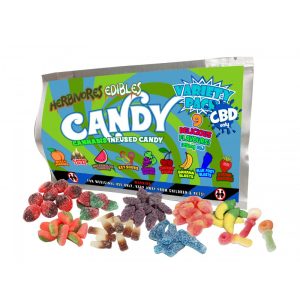
Herbivore Edibles CBD Mix And Match – 10 Pack
Original price was: $100.00.$90.00Current price is: $90.00.