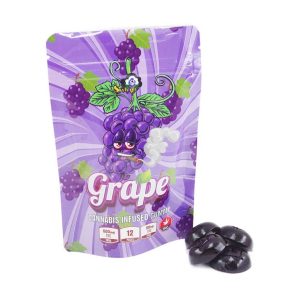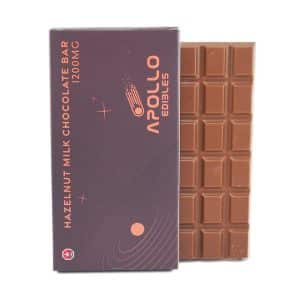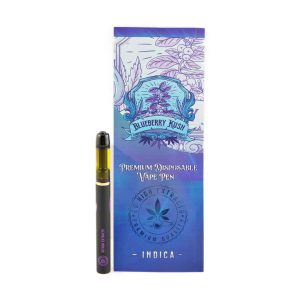
THC is one of the best-known compounds found in cannabis and is primarily responsible for the intoxicating experience commonly associated with getting “high.” Yet cannabis does not affect everyone in exactly the same way. One person may describe feeling relaxed and euphoric, while another may notice heightened sensory perception, increased appetite, sleepiness, or an uncomfortable sense of anxiety.
Understanding common THC effects can help adult cannabis consumers make more informed decisions about products, potency, serving size, and consumption methods. Factors ranging from personal tolerance and THC concentration to whether cannabis is smoked or eaten can substantially influence the experience.
Whether you are new to cannabis or simply interested in understanding it better, here is what you should know about THC, its potential benefits, common effects, and the variables that can change how it feels.
What Is THC?
THC stands for tetrahydrocannabinol. Delta-9-tetrahydrocannabinol is the primary intoxicating cannabinoid naturally present in cannabis.
After THC enters the body, it interacts with the endocannabinoid system, including cannabinoid receptors located throughout the brain and body. Its activity at CB1 receptors in the central nervous system contributes significantly to the characteristic cannabis high.
These interactions can affect functions involving mood, memory, appetite, sensory perception, movement, and other processes. Consequently, THC effects can involve both psychological and physical sensations.
The intensity of those effects depends on considerably more than simply whether a person consumes cannabis.
Common THC Effects on Mood
Changes in mood are among the most recognizable effects associated with THC.
Some consumers report feelings such as:
- Euphoria
- Relaxation
- Amusement or laughter
- Calmness
- Increased sociability
- Changes in emotional perception
The experience is not universally positive, however. THC can sometimes produce anxiety, uneasiness, panic, or paranoia, particularly at higher amounts or in people who are sensitive to its effects.
This variability is one reason responsible cannabis consumption involves understanding personal limits rather than assuming that taking more THC will automatically produce a better experience.
THC Effects on Sensory Perception
Cannabis can temporarily change how people experience their surroundings.
Music may seem more immersive, food may taste particularly appealing, colors may appear more noticeable, and time may seem to pass differently than expected.
These altered perceptions are commonly associated with the cannabis high. They can be enjoyable for some consumers but distracting or uncomfortable for others.
THC can also affect attention, coordination, judgment, and reaction time. Anyone experiencing intoxicating THC effects should therefore avoid driving, operating machinery, or engaging in other safety-sensitive activities.
Relaxation and the Cannabis Experience
Relaxation is one reason some adults choose cannabis recreationally.
Depending on the individual, product, and amount consumed, THC may be associated with a feeling of physical or mental relaxation. Some people prefer cannabis during quiet evenings or other situations where they do not have responsibilities requiring unimpaired attention.
However, relaxation is not guaranteed simply because a cannabis product is marketed as an indica or described using terms such as “calming.”
Cannabis contains numerous cannabinoids, terpenes, and other compounds, while individual responses can vary considerably. THC potency and serving size can also have a major influence on the experience.

THC and Increased Appetite
One of the most famous THC effects is increased appetite, commonly referred to as “the munchies.”
THC’s interactions with the brain and endocannabinoid system can influence appetite and food-related responses. As a result, some consumers notice greater interest in food after using cannabis.
Taste and smell may also feel more noticeable during a cannabis experience, potentially making food seem especially appealing.
Although increased appetite is frequently associated with THC, its intensity varies from person to person and from one cannabis experience to another.
Potential Benefits Associated With THC
Beyond recreational cannabis use, cannabinoids have also been investigated and used medically in specific circumstances.
Certain cannabinoid medications or cannabis products may be used under medical supervision for particular symptoms or conditions, depending on the jurisdiction and clinical situation. Potential areas of medical interest have included pain, nausea and vomiting associated with chemotherapy, appetite-related concerns, and certain other symptoms.
It is important to distinguish these medical applications from broad marketing claims.
A cannabis product being described as relaxing or therapeutic does not establish that it can diagnose, treat, or cure a medical condition. Anyone considering THC specifically for a health concern should discuss appropriate options, risks, and interactions with a qualified healthcare professional.
How THC Potency Influences the Experience
Potency is one of the most important variables affecting THC effects.
Cannabis products can contain very different concentrations of THC. Flower, concentrates, vape products, beverages, oils, and edibles may therefore deliver very different amounts.
A product containing more THC can potentially produce stronger intoxication, but potency alone does not determine the entire experience.
Beginners and people with low tolerance should be particularly careful with high-potency products. Consuming more THC than intended can increase the likelihood of uncomfortable effects such as anxiety, dizziness, confusion, nausea, or substantial impairment.
Higher potency should not automatically be interpreted as higher quality.
Why Cannabis Tolerance Matters
Two people can consume the same cannabis product and experience very different results.
One explanation is tolerance.
People who consume THC regularly may become less sensitive to some of its effects over time. Someone with little previous cannabis exposure may experience considerably stronger effects from the same amount.
This is particularly relevant when consuming cannabis socially. Matching another person’s serving is not a reliable way to determine an appropriate amount for yourself.
Personal experience and sensitivity matter.
Smoking vs Edibles: Why THC Effects Can Differ
Consumption method can dramatically change the timing and duration of a cannabis experience.
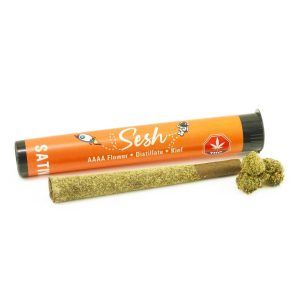
When cannabis is smoked or vaporized, THC is absorbed through the lungs and reaches the bloodstream relatively quickly. Effects can therefore become noticeable much sooner than with traditional edibles.
Edibles work differently.
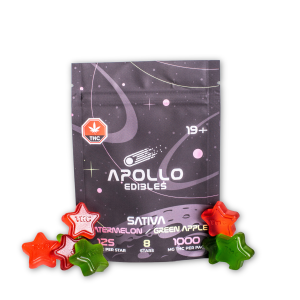
After a traditional THC edible is swallowed, THC passes through the digestive system and is metabolized, including by the liver. During this process, THC can be converted into the active metabolite 11-hydroxy-THC.
Consequently, edible THC effects can feel different and may last considerably longer than inhaled cannabis.
The delayed onset of edibles also creates a common problem: someone consumes an edible, assumes it isn’t working, and takes more before the original serving has fully taken effect.
How Your Environment Can Affect Your Experience
Cannabis experiences are influenced by more than chemistry.
A person’s surroundings, expectations, mood, and social situation can affect how an intoxicating experience feels. A comfortable and familiar environment may feel very different from a crowded or stressful setting.
This concept is sometimes described in terms of “set and setting.”
Someone who is already nervous may interpret unfamiliar sensations differently from someone who feels comfortable and relaxed.
For people unfamiliar with THC effects, choosing a safe environment and avoiding situations requiring important decisions or coordination is especially important.

Can THC Produce Unwanted Effects?
Yes. THC does not always produce desirable sensations.
Possible unwanted effects can include dry mouth, red eyes, dizziness, impaired coordination, changes in memory and attention, anxiety, panic, increased heart rate, nausea, or paranoia.
The likelihood and severity of these experiences can depend on the individual, amount consumed, THC potency, tolerance, and other factors.
If someone feels that they have consumed too much, they should stop consuming additional cannabis, remain somewhere safe, and avoid driving. Severe, persistent, or medically concerning symptoms warrant appropriate medical assistance.
THC Effects and Individual Body Chemistry
There is no universal cannabis experience.
Age, metabolism, previous cannabis exposure, individual sensitivity, medications, health conditions, and numerous other biological variables can influence how someone responds to THC.
Food consumption may also affect the timing and experience of certain oral cannabis products.
This helps explain why product reviews should not be treated as predictions of exactly how a cannabis product will affect another person.
Someone describing a particular strain as extremely relaxing does not guarantee that everyone else will experience it the same way.
Choosing Cannabis Products Responsibly
Understanding product labels is one of the most useful habits cannabis consumers can develop.
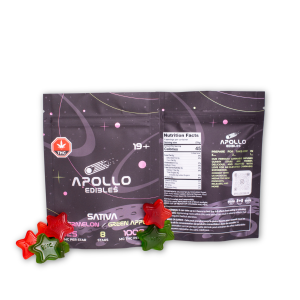
Pay attention to THC and CBD content, serving information, product format, and instructions. With edibles, distinguish between THC contained in one serving and the total THC contained in the entire package.
Consumers should also be cautious about automatically selecting the highest-THC option.
A product that provides the desired experience at a lower amount may be preferable to consuming more THC than necessary. New consumers in particular should approach intoxicating cannabis cautiously and allow sufficient time to understand how a product affects them.
Final Thoughts on THC Effects
Understanding THC effects means recognizing that cannabis experiences are highly individual. THC may be associated with euphoria, relaxation, altered sensory perception, increased appetite, and other effects, but it can also produce impairment or uncomfortable reactions such as anxiety and dizziness.
Potency, serving size, tolerance, consumption method, personal biology, and environment can all influence the experience. Smoking cannabis and eating a THC edible can also differ substantially in onset and duration, making it important to understand the product being consumed rather than treating every cannabis format the same way.
Adults who choose cannabis should pay attention to potency and labeling, avoid driving while impaired, keep cannabis securely away from children and pets, and follow the laws applicable to their location.
For adults looking to explore cannabis products online, Low Price Bud can be considered as an online dispensary for browsing different cannabis formats, potencies, and product options. Before purchasing, verify that the retailer and products are lawful where you live and choose clearly labeled products appropriate for your experience and tolerance.
-
So High Extracts Disposable Pen – Blueberry Kush 1ml (Indica)
Original price was: $30.00.$20.00Current price is: $20.00. -
Apple Fritter (Craft Cannabis)
Original price was: $150.00.$110.00Current price is: $110.00.