
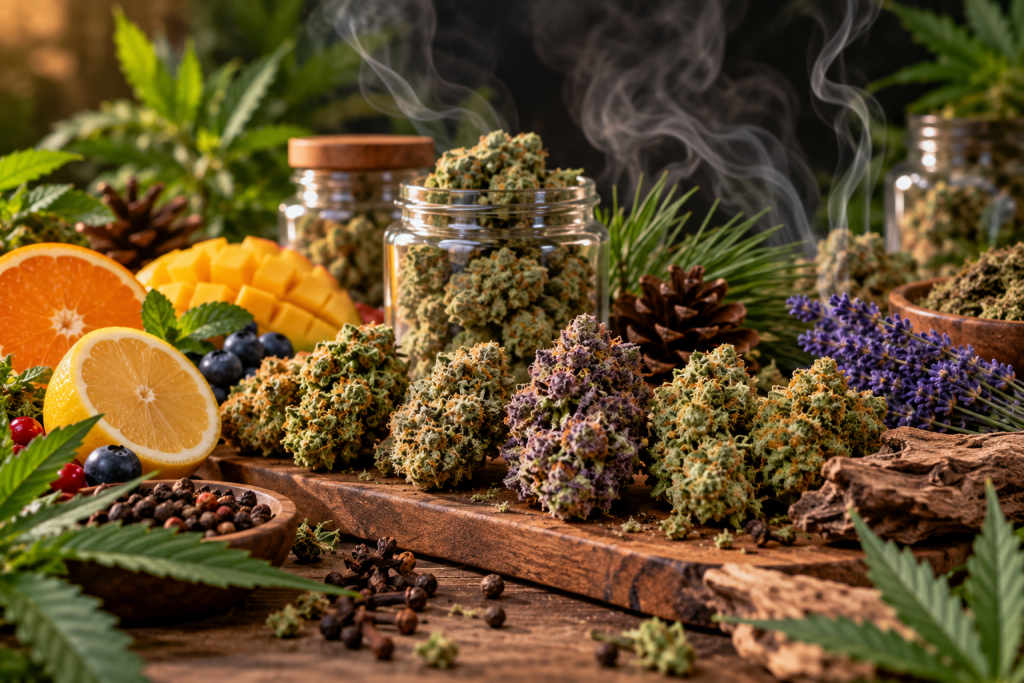
Open a container of fresh cannabis and one of the first things you’ll notice is its smell. One strain might deliver a burst of lemon and fresh herbs, while another smells like berries, pine trees, pepper, diesel, or damp earth. This remarkable diversity is part of what makes Cannabis Aroma such an interesting characteristic of the plant.
The scent of cannabis is produced by a complex mixture of volatile compounds, particularly terpenes, along with other aromatic chemicals. Genetics, cultivation, curing, storage, and environmental conditions can all influence the final aromatic profile.
For cannabis enthusiasts, aroma can be part of evaluating freshness and appreciating differences among cultivars. However, smell alone cannot reliably tell you how potent a product is or exactly how it will affect you.
Understanding the science behind Cannabis Aroma provides a fascinating look at why cannabis can smell so different from one strain to another.
What Creates Cannabis Aroma?
Cannabis produces hundreds of chemical compounds, and many contribute directly or indirectly to its distinctive scent.
Terpenes are among the best known. These naturally occurring aromatic compounds are not exclusive to cannabis—they are widespread throughout the plant kingdom.
The citrus aroma of lemons, for example, is strongly associated with limonene. Pine trees contain abundant pinene, while lavender is well known for linalool.
Cannabis can produce these same terpenes in varying proportions.
Researchers have also identified other volatile compounds that appear to contribute to distinctive cannabis odors. In particular, volatile sulfur compounds can play an important role in the pungent, skunky character associated with certain cultivars.
Rather than coming from one ingredient, Cannabis Aroma is essentially a chemical orchestra in which numerous aromatic molecules contribute to the final scent.
Understanding Cannabis Terpenes
Terpenes are produced in the plant’s glandular trichomes, the tiny resin-producing structures concentrated heavily around cannabis flowers.
Many of these compounds contribute to both aroma and flavor.
Different cultivars can contain different terpene combinations and concentrations. Consequently, two cannabis flowers with similar THC levels can smell completely different.
Terpenes are sometimes marketed with specific promised effects, such as claiming one terpene will automatically create relaxation and another will guarantee energy. Research into terpene pharmacology is ongoing, but these simplified claims often go beyond what current evidence can establish.
Their role in Cannabis Aroma, however, is much clearer.
Learning about common terpenes can therefore help consumers understand why cannabis smells the way it does without assuming aroma predicts a guaranteed experience.
Myrcene: Earthy, Herbal, and Musky
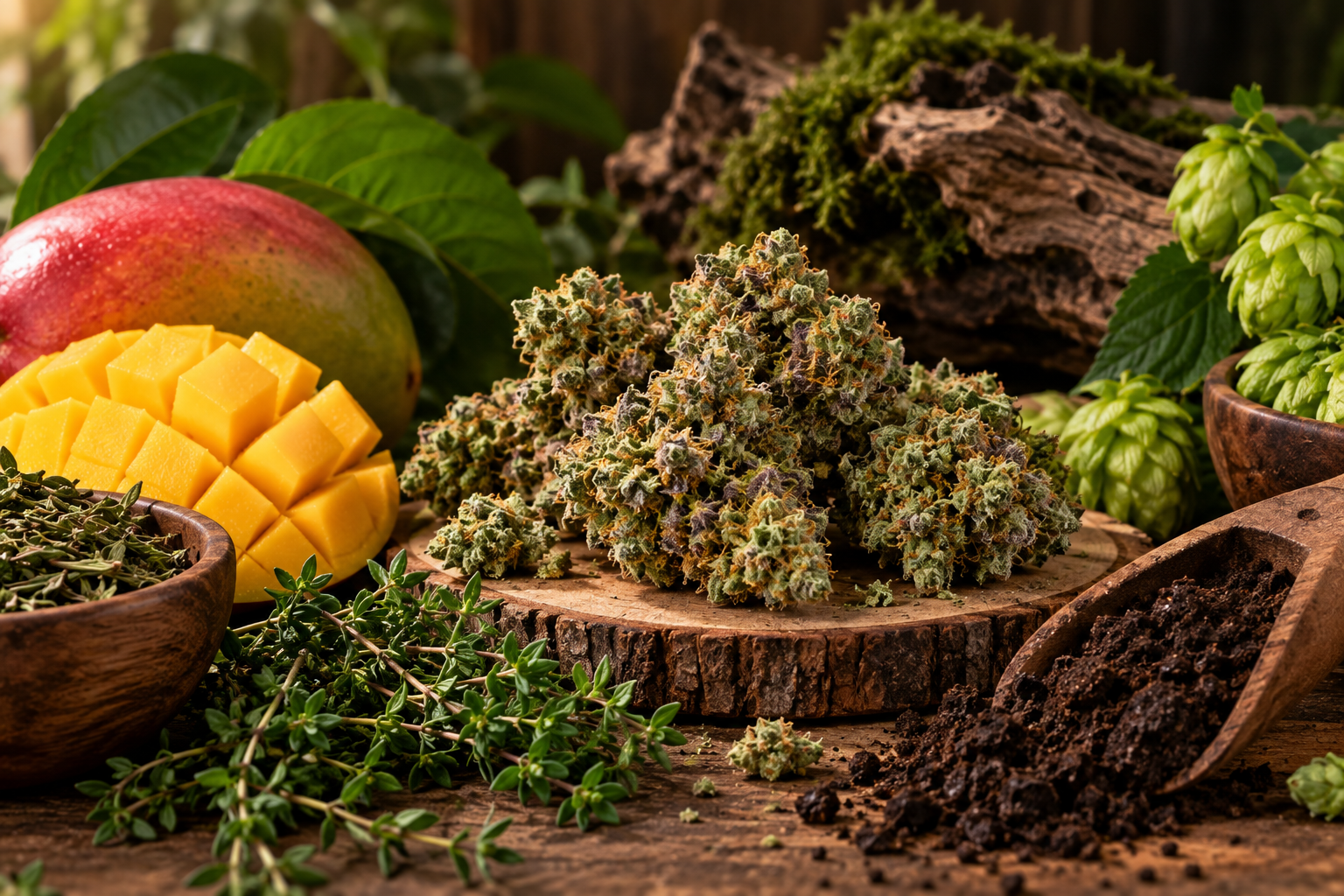
Myrcene is commonly found in cannabis and is also present in plants such as hops, thyme, and mango.
Its aroma is frequently described as earthy, herbal, musky, or slightly spicy.
Cannabis cultivars containing substantial amounts of myrcene may have a deep, plant-like scent rather than a sharp citrus or floral profile.
Myrcene is often discussed in connection with relaxing cannabis strains, but aroma and terpene composition should not be treated as reliable predictions of how a product will affect every individual.
From an aromatic perspective, however, myrcene contributes an unmistakable earthy foundation to many cannabis profiles.
Limonene: Bright Citrus Aromas
If cannabis smells strongly of lemons, oranges, or other citrus fruits, limonene may be contributing to the profile.
Limonene is abundant in citrus peels and is widely used in fragrances, foods, and household products because of its recognizable scent.
In cannabis, it can provide a bright, fresh character that contrasts sharply with earthy or skunky aromas.
A citrus-forward Cannabis Aroma may contain limonene alongside several other compounds. This combination is important because cannabis aroma profiles rarely depend on a single terpene.
One strain may smell like sweet lemon candy, while another has a sharper lemon-and-diesel quality despite both containing limonene.
Pinene: The Fresh Forest Scent
As its name suggests, pinene has an aroma reminiscent of pine needles and evergreen forests.
It occurs naturally in pine trees as well as rosemary, basil, and numerous other plants.
In cannabis, pinene can create a fresh, woody, herbal character.
Sometimes the pine aroma is obvious. In other cases, it exists underneath citrus, floral, or earthy notes and becomes easier to notice when fresh flower is broken apart.
There are multiple forms of pinene, including alpha-pinene and beta-pinene, which can contribute somewhat different aromatic characteristics.
For consumers exploring Cannabis Aroma, pine is one of the easier scent families to learn to recognize.
Caryophyllene: Peppery and Spicy
Beta-caryophyllene contributes a warm, spicy aroma and occurs naturally in black pepper, cloves, cinnamon, and cannabis.
If a cannabis flower smells peppery, woody, or slightly spicy, caryophyllene may be one contributor.
Interestingly, beta-caryophyllene is notable among terpenes because it can interact with CB2 cannabinoid receptors.
That biochemical property has generated scientific interest, but consumers should still be cautious about interpreting the presence of caryophyllene as proof that a particular cannabis product will provide a specific therapeutic outcome.
In terms of Cannabis Aroma, caryophyllene is particularly useful for adding depth and spice to an aromatic profile.
Linalool: Floral and Lavender-Like
Linalool is strongly associated with lavender’s familiar floral fragrance.
It can also appear in cannabis.
Cannabis containing noticeable linalool may display floral, sweet, herbal, or lightly spicy characteristics. Combined with other terpenes, it can contribute to complex aromas reminiscent of flowers, herbs, and fresh vegetation.
Because linalool is frequently associated with lavender, it is sometimes promoted with strong relaxation claims.
While scientists continue investigating its biological properties, the presence of linalool in cannabis should not be treated as a guarantee of a particular psychological effect.
For aroma enthusiasts, its floral qualities are the more straightforward characteristic to appreciate.
Why Some Cannabis Smells Skunky
The famous “skunk” smell of cannabis cannot be explained by terpenes alone.
Research has identified volatile sulfur compounds as important contributors to the characteristic pungent aroma found in certain cannabis varieties.
Sulfur-containing compounds can be extraordinarily potent from an olfactory perspective. Even very small quantities can create strong odors.
This helps explain why certain cannabis products can produce an unmistakable scent even when only a relatively small amount of flower is present.
These compounds combine with terpenes and other volatile molecules to create the complex aroma consumers describe as skunky, funky, gassy, or pungent.
The result demonstrates just how chemically sophisticated Cannabis Aroma actually is.
Why Every Cannabis Strain Smells Different
Genetics play a major role in determining which aromatic compounds a cannabis plant is capable of producing.
However, genetics aren’t the entire story.
Cultivation conditions can influence plant development and chemical composition. Light, temperature, nutrients, environmental stress, harvest timing, and other variables may contribute to differences between batches.
Post-harvest handling matters too.
Drying and curing are critical stages because fresh cannabis contains significant moisture and undergoes chemical changes after harvest.
Poor processing can result in muted, grassy, or otherwise undesirable aromas, while careful drying and curing can help preserve desirable aromatic compounds.
This means two batches carrying the same cultivar name may not necessarily smell identical.
Cannabis Aroma and Freshness
Aroma can provide useful clues about cannabis quality, although it isn’t a perfect test.
Fresh, properly stored flower may have a noticeable and complex aroma when the container is opened or the buds are broken apart.
Older cannabis may gradually lose aromatic intensity because many volatile compounds can evaporate or degrade.
An unusually musty odor can also warrant caution because improper moisture conditions can encourage microbial growth. Cannabis suspected of being moldy should not be consumed.
However, a stronger smell does not automatically mean higher quality or higher THC.
Cannabinoid potency and aromatic intensity are separate characteristics.
Consumers should therefore consider Cannabis Aroma alongside regulated product information rather than using smell as their only quality indicator.
How Storage Affects Cannabis Aroma
Proper storage can help preserve the aromatic character of cannabis.
Heat, excessive light, oxygen exposure, and inappropriate humidity can contribute to chemical changes over time. Because many aromatic compounds are volatile, poor storage conditions may gradually flatten a once-vibrant scent profile.
Keeping flower in an appropriate sealed container away from excessive heat and direct sunlight can help limit unnecessary degradation.
Cannabis should also be stored securely away from children and pets.
Avoid assuming that putting cannabis in a refrigerator or freezer automatically preserves it better. Temperature fluctuations and condensation can introduce additional problems if storage isn’t carefully managed.
Good storage is ultimately about creating stable conditions and minimizing unnecessary environmental exposure.
Does Cannabis Aroma Predict the Effects?
This is where cannabis marketing and cannabis science sometimes diverge.
A pleasant Cannabis Aroma can tell you about some of the volatile compounds present in flower, but it cannot reliably predict exactly how intoxicated, relaxed, energetic, sleepy, or euphoric someone will feel.
THC concentration remains particularly important when considering intoxication.
CBD content, individual tolerance, amount consumed, consumption method, and personal physiology can also influence the experience.
Terpenes and other cannabis compounds are actively studied for their potential biological interactions, including research surrounding the proposed “entourage effect.” However, many broad consumer claims remain less certain than marketing language might suggest.
Aroma is therefore best appreciated as an important sensory and chemical characteristic rather than a guaranteed roadmap to effects.
Cannabis Aroma and the Overall Experience
One of the biggest benefits of learning about Cannabis Aroma is developing a better understanding of the product itself.
Instead of simply describing cannabis as smelling “strong,” consumers can begin identifying distinct scent families.
A cultivar might start with lemon and pine before revealing peppery undertones. Another could combine berry-like sweetness with earth, herbs, and a pungent finish.
This vocabulary can make it easier to compare products and remember personal preferences.
Someone who consistently enjoys citrus-forward aromas may naturally explore cultivars containing noticeable limonene, while another person might prefer earthy, floral, or pine-dominant profiles.
These preferences don’t guarantee a particular effect, but they can make the sensory experience of exploring cannabis more interesting.
Final Thoughts on Cannabis Aroma
Cannabis Aroma is much more complicated than the familiar smell commonly associated with marijuana. It is the result of terpenes, volatile sulfur compounds, and numerous other aromatic molecules interacting in different concentrations.
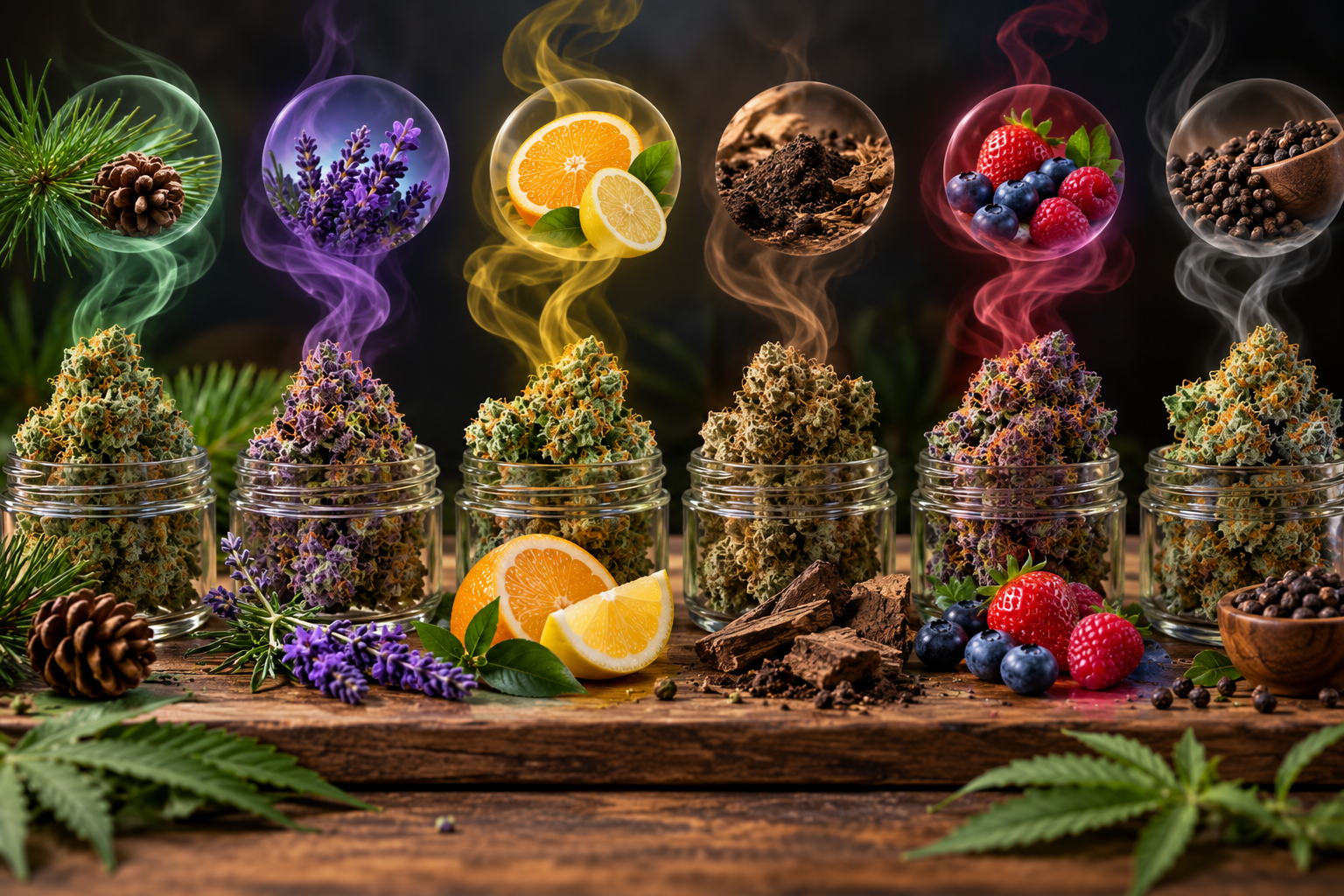
Myrcene can contribute earthy and herbal qualities, limonene can provide citrus notes, pinene can evoke fresh forests, caryophyllene can introduce pepper and spice, and linalool can add floral characteristics. Genetics establish much of this chemical potential, while cultivation, drying, curing, storage, and age can shape what ultimately reaches your nose.
Learning to recognize these characteristics can help adults appreciate cannabis as a remarkably aromatic plant and make more informed comparisons between products. At the same time, aroma should not be mistaken for a reliable measure of THC potency or a guarantee of specific effects.
Consumers researching cannabis online may encounter retailers such as Low Price Bud, but online availability alone does not establish that a seller is licensed or authorized in a particular jurisdiction. Adults who choose cannabis should purchase through legal, regulated sources available where they live, where cannabinoid information, packaging requirements, and product standards can be verified.
Ultimately, understanding Cannabis Aroma adds another dimension to the cannabis experience. From citrus and berries to pine, pepper, flowers, earth, and unmistakably skunky notes, every aromatic profile tells part of the plant’s chemical story.